All culture collections

PLACES THAT HOLD THE STORY

Landmarks & Museums

These are not business listings; they are the cultural anchors that explain why discovery, ownership, and honest representation matter. Museums, historic districts, and memorials worth traveling for.

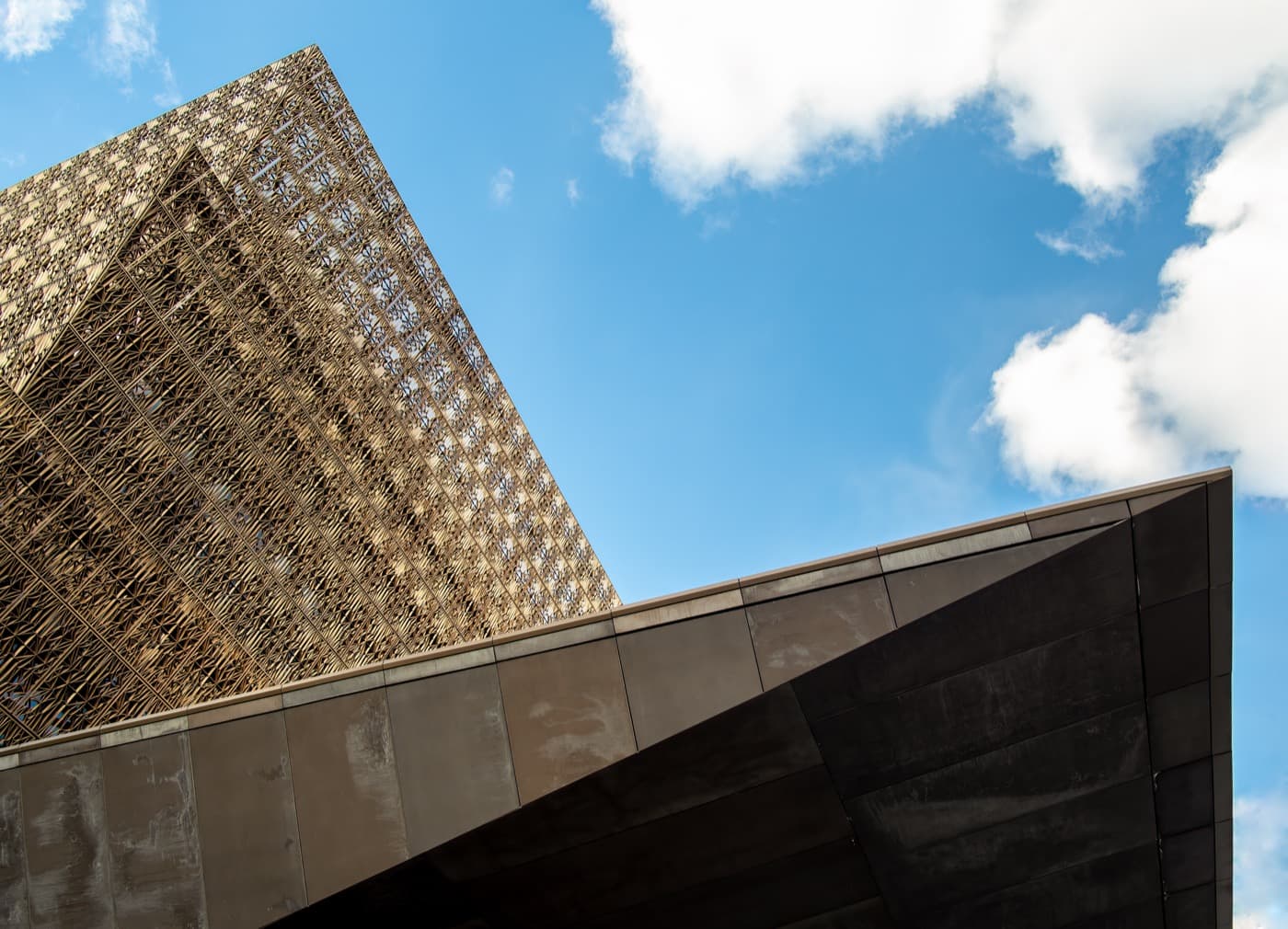
Exterior of the Smithsonian National Museum of African American History and Culture in Washington, D.C.
Rhododendrites, CC BY-SA 4.0, via Wikimedia Commons.

PLACE TO KNOW

The Black museum in Washington, D.C.

The Smithsonian National Museum of African American History and Culture is the national museum dedicated to documenting African American life, history, and culture. It belongs in this platform because discovery is not only about where to spend money; it is also about knowing the institutions that preserve our story.

Source: Smithsonian NMAAHC
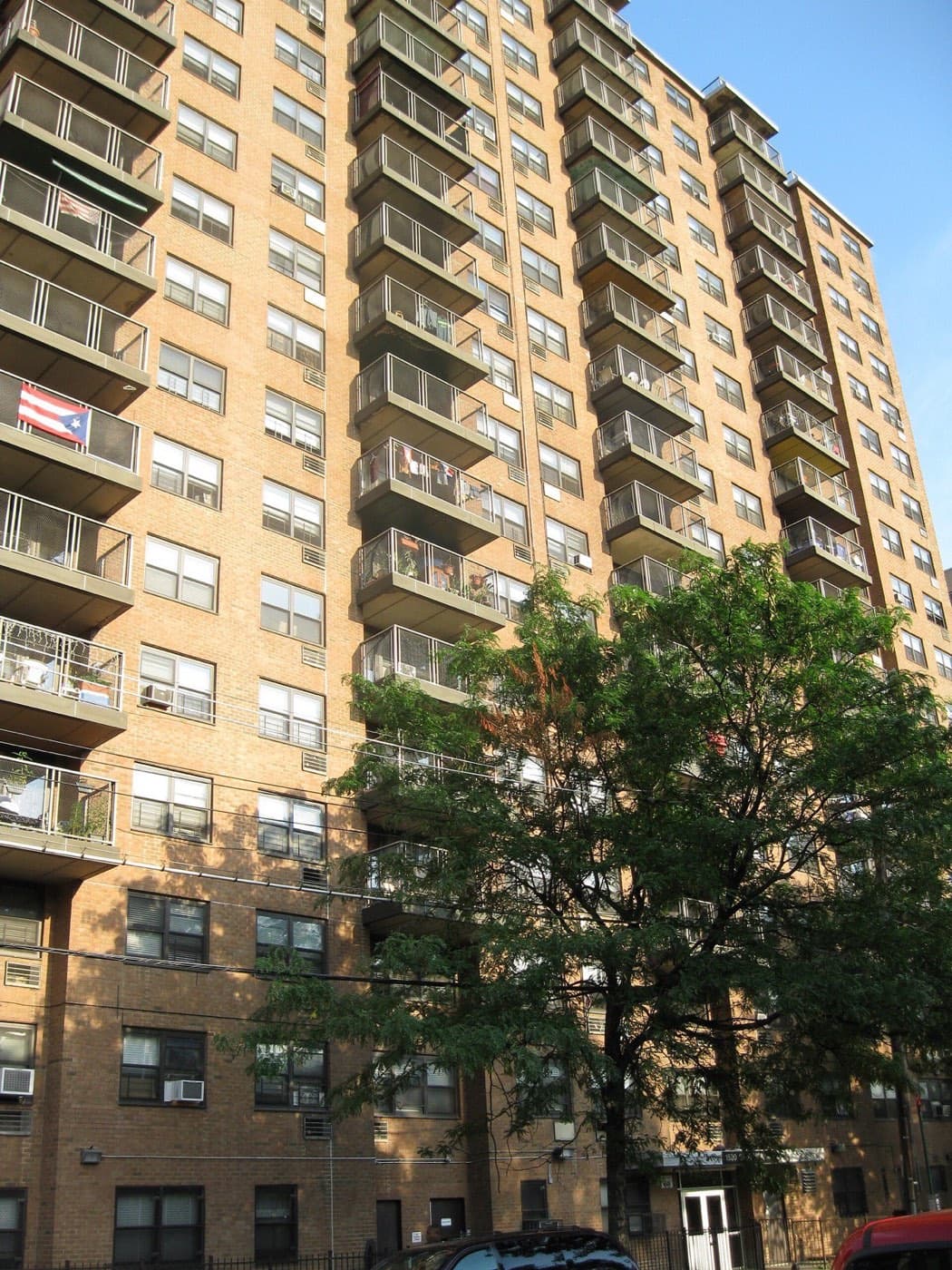
1520 Sedgwick Avenue apartment building in the Bronx, New York.
Bigtimepeace, public domain, via Wikimedia Commons.

PLACE TO KNOW

1520 Sedgwick Avenue: where hip-hop was born.

On August 11, 1973, DJ Kool Herc and his sister Cindy Campbell threw a back-to-school party in the rec room of 1520 Sedgwick Avenue in the Bronx — the night widely honored as the birth of hip-hop. From that room came a global culture and one of the greatest engines of Black entrepreneurship ever built: labels, fashion, media, and stages worldwide.

Source: The Hip Hop Museum
The Obama Presidential Center campus in Chicago.
Obama Foundation / Angie McMonigal.

PLACE TO VISIT

The Obama Presidential Center in Chicago.

Visit The Center is the Obama Foundation's official visitor hub for the 19.3-acre Obama Presidential Center campus at 6001 S. Stony Island Ave. on Chicago's South Side. Use the official page for current campus grounds hours, Museum hours, tickets, and visitor details.

Source: Obama Foundation
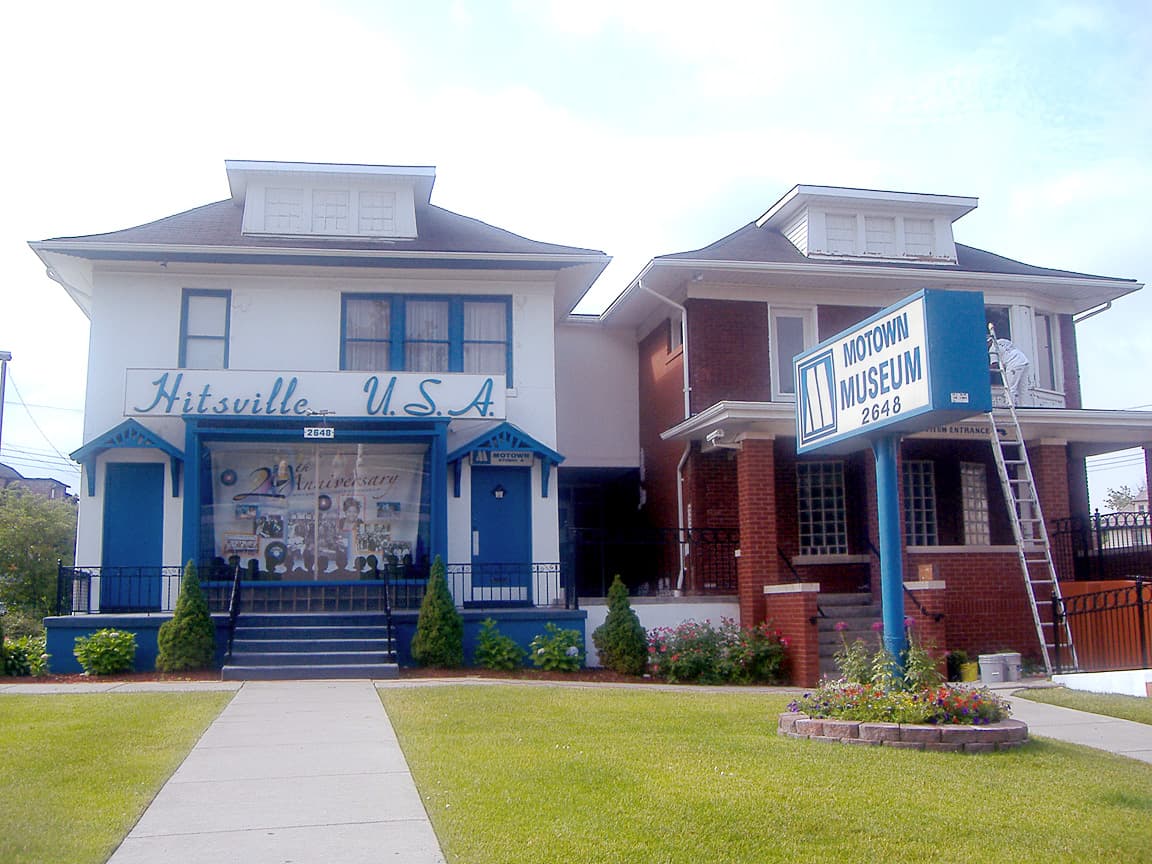
The Hitsville U.S.A. house, home of the Motown Museum in Detroit.
Blob4000, public domain, via Wikimedia Commons.

PLACE TO VISIT

Motown Museum: Hitsville U.S.A. in Detroit.

The house at 2648 West Grand Boulevard is where Berry Gordy built Motown Records, one of the most successful Black-owned businesses in American history and the label behind Stevie Wonder, Diana Ross and The Supremes, Marvin Gaye, and Smokey Robinson. The museum preserves Studio A, where the hits were recorded.

Source: Motown Museum
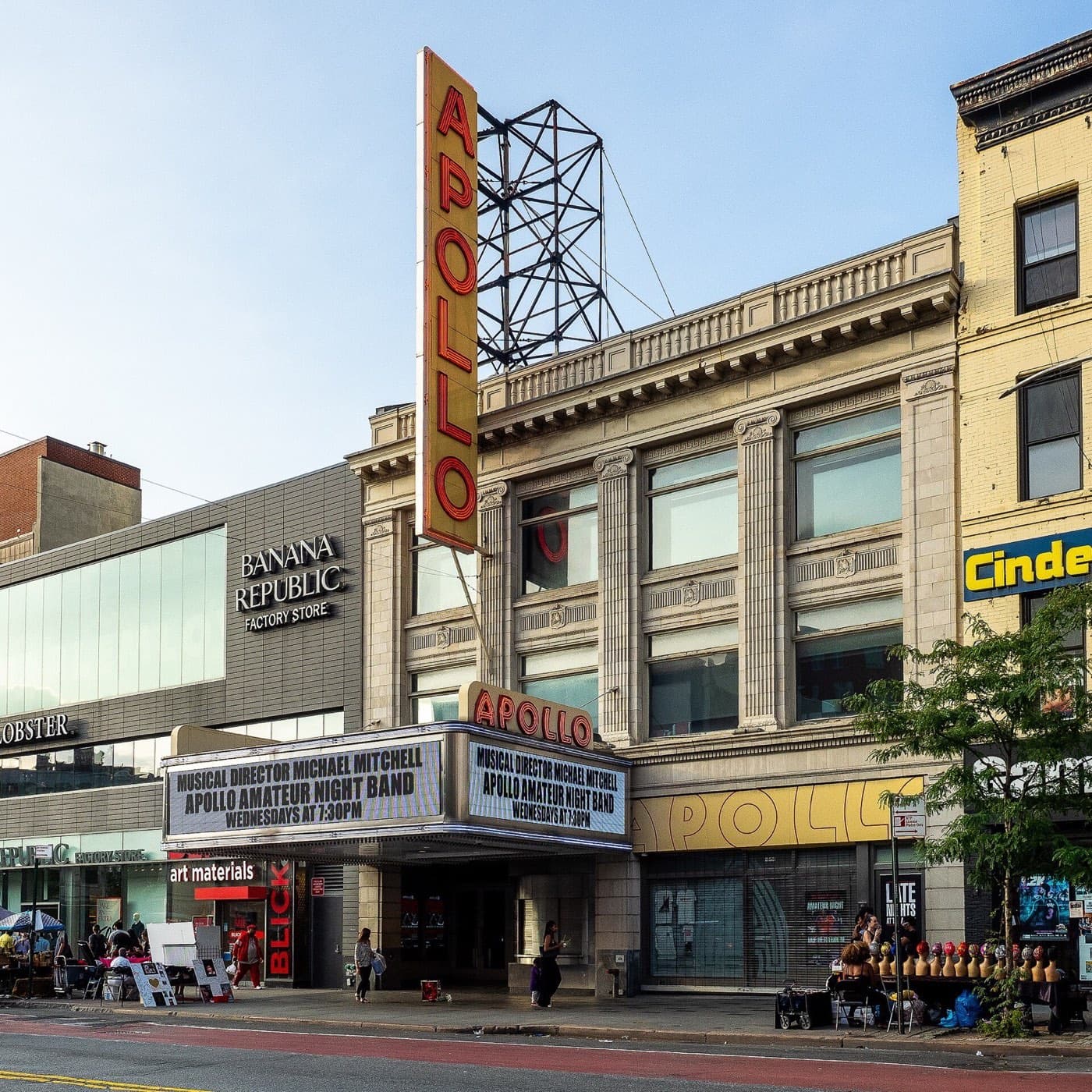
The Apollo Theater marquee on 125th Street in Harlem.
Ajay Suresh, CC BY 2.0, via Wikimedia Commons.

PLACE TO VISIT

The Apollo Theater in Harlem.

Since 1934 the Apollo has been one of the most influential stages in American music, launching and shaping careers from Ella Fitzgerald to James Brown to Lauryn Hill. Amateur Night at the Apollo is still running, and the theater remains the cultural heart of 125th Street.

Source: Apollo Theater
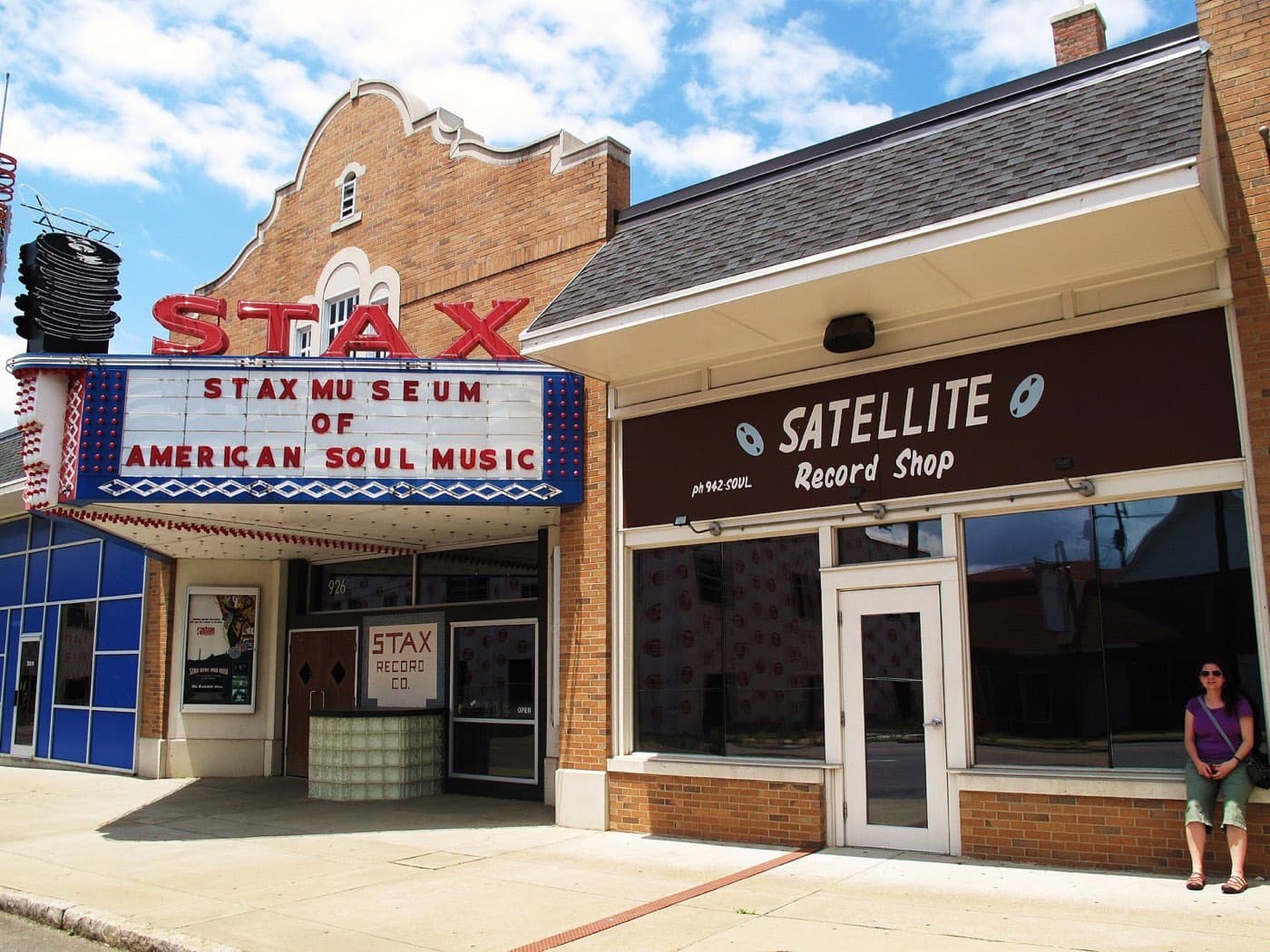
Exterior of the Stax Museum of American Soul Music in Memphis.
Victor Chapa, CC BY 2.0, via Wikimedia Commons.

PLACE TO VISIT

Stax Museum of American Soul Music in Memphis.

Built on the original site of Stax Records at 926 E. McLemore Avenue, the Stax Museum celebrates the label that gave the world Otis Redding, Isaac Hayes, and the Staple Singers. Stax was soul music and Black enterprise on the same block — studio, label, and neighborhood rising together.

Source: Stax Museum

PLACE TO KNOW

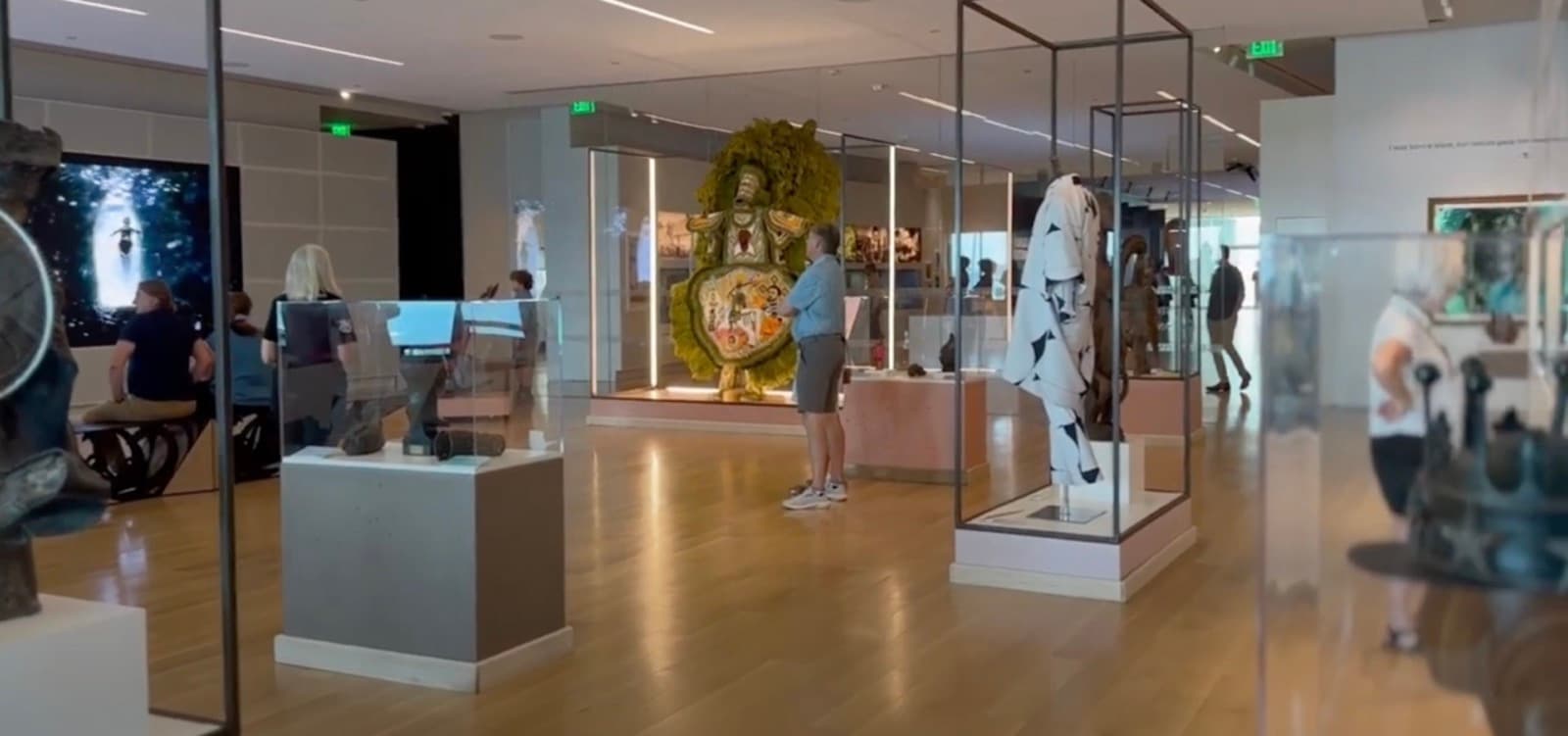
The National Museum of African American Music in Nashville.

Opened in 2021 in the heart of Music City, NMAAM is the first museum dedicated to preserving and celebrating the many music genres created, influenced, and inspired by African Americans — from spirituals and gospel through blues, jazz, R&B, and hip-hop. One nation, under a groove.

Source: National Museum of African American Music

PLACE TO KNOW

New Orleans Jazz National Historical Park.

Jazz — America's original art form — was born in the Black neighborhoods of New Orleans, and the National Park Service preserves and interprets that birthplace. Live performances, ranger-led programs, and historic sites across the city keep the origin story playing.

Source: National Park Service
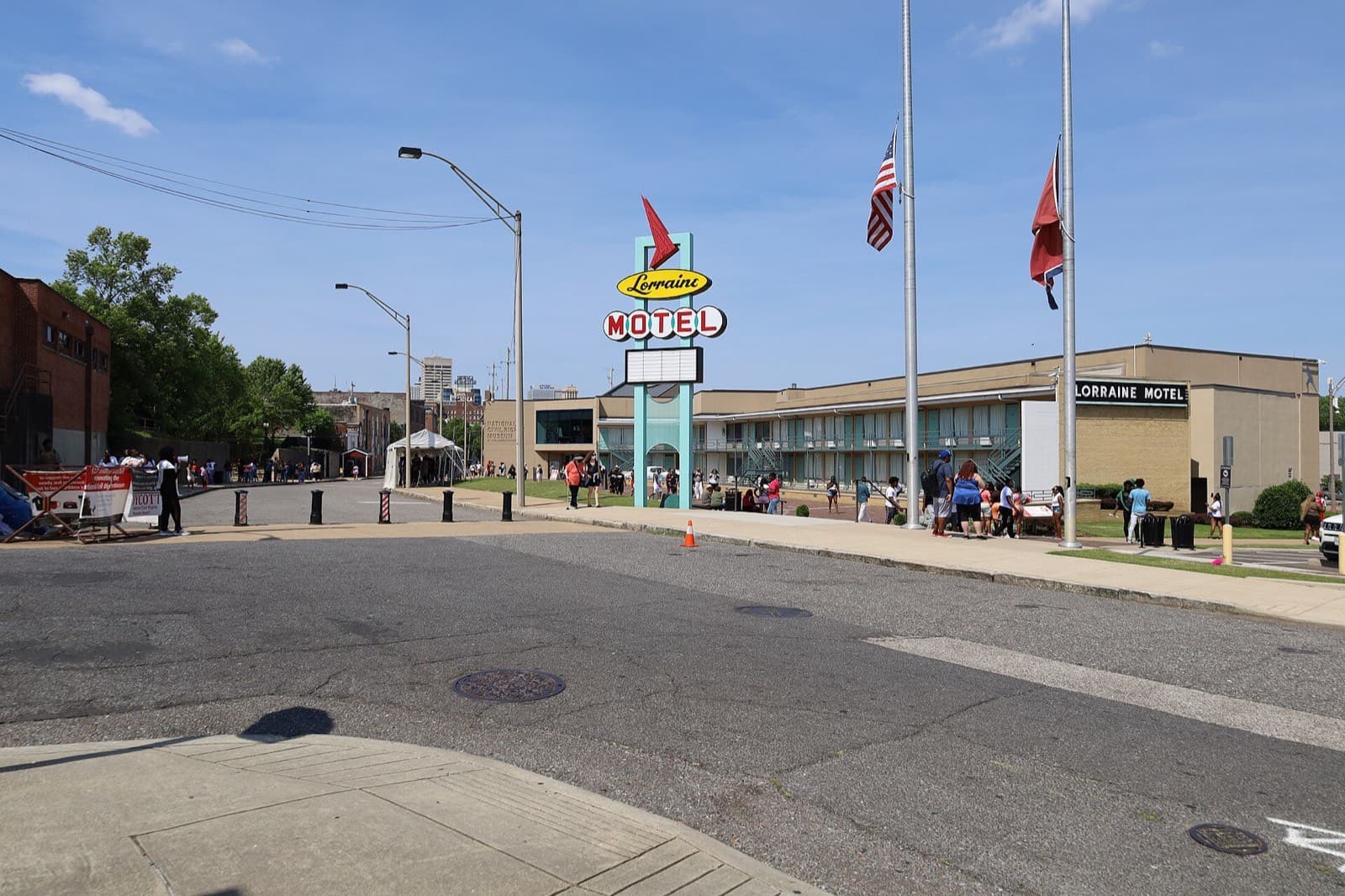
The Lorraine Motel, home of the National Civil Rights Museum in Memphis.
Antony-22, CC BY-SA 4.0, via Wikimedia Commons.

PLACE TO VISIT

The National Civil Rights Museum in Memphis.

Built at the Lorraine Motel, where Dr. Martin Luther King Jr. was assassinated in 1968, the National Civil Rights Museum traces the movement from resistance to slavery through the campaigns of the 1950s and 1960s to today. It is one of the most important civil rights sites in the country.

Source: National Civil Rights Museum
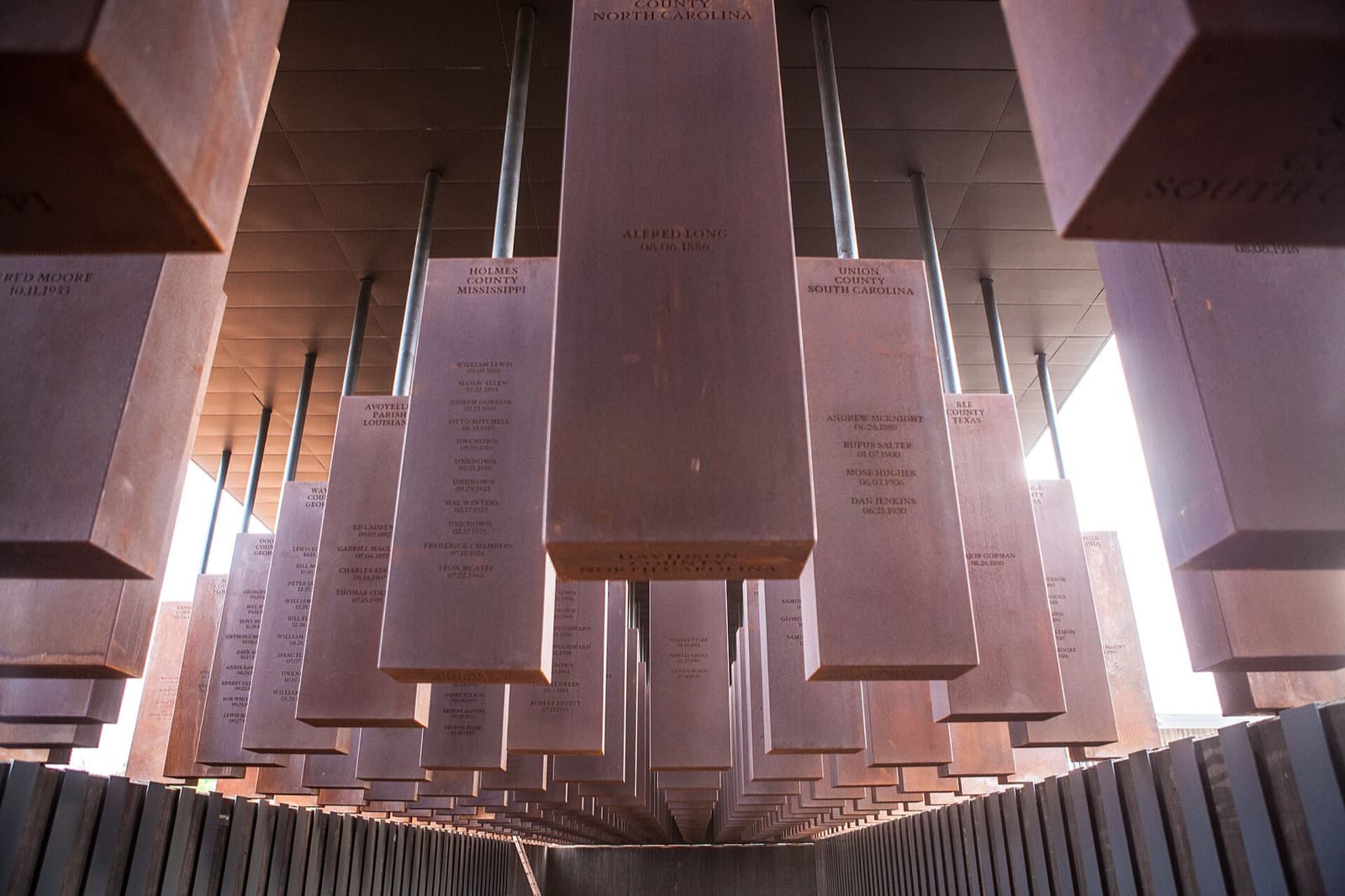
The National Memorial for Peace and Justice in Montgomery, Alabama.
Soniakapadia, CC BY-SA 4.0, via Wikimedia Commons.

PLACE TO KNOW

The Legacy Museum and National Memorial for Peace and Justice in Montgomery.

Created by the Equal Justice Initiative, the Legacy Sites in Montgomery, Alabama connect the history of enslavement, racial terror, and segregation to the present. The memorial and museum are built for honest remembrance, and they anchor a visit to one of the movement's most consequential cities.

Source: Equal Justice Initiative Legacy Sites
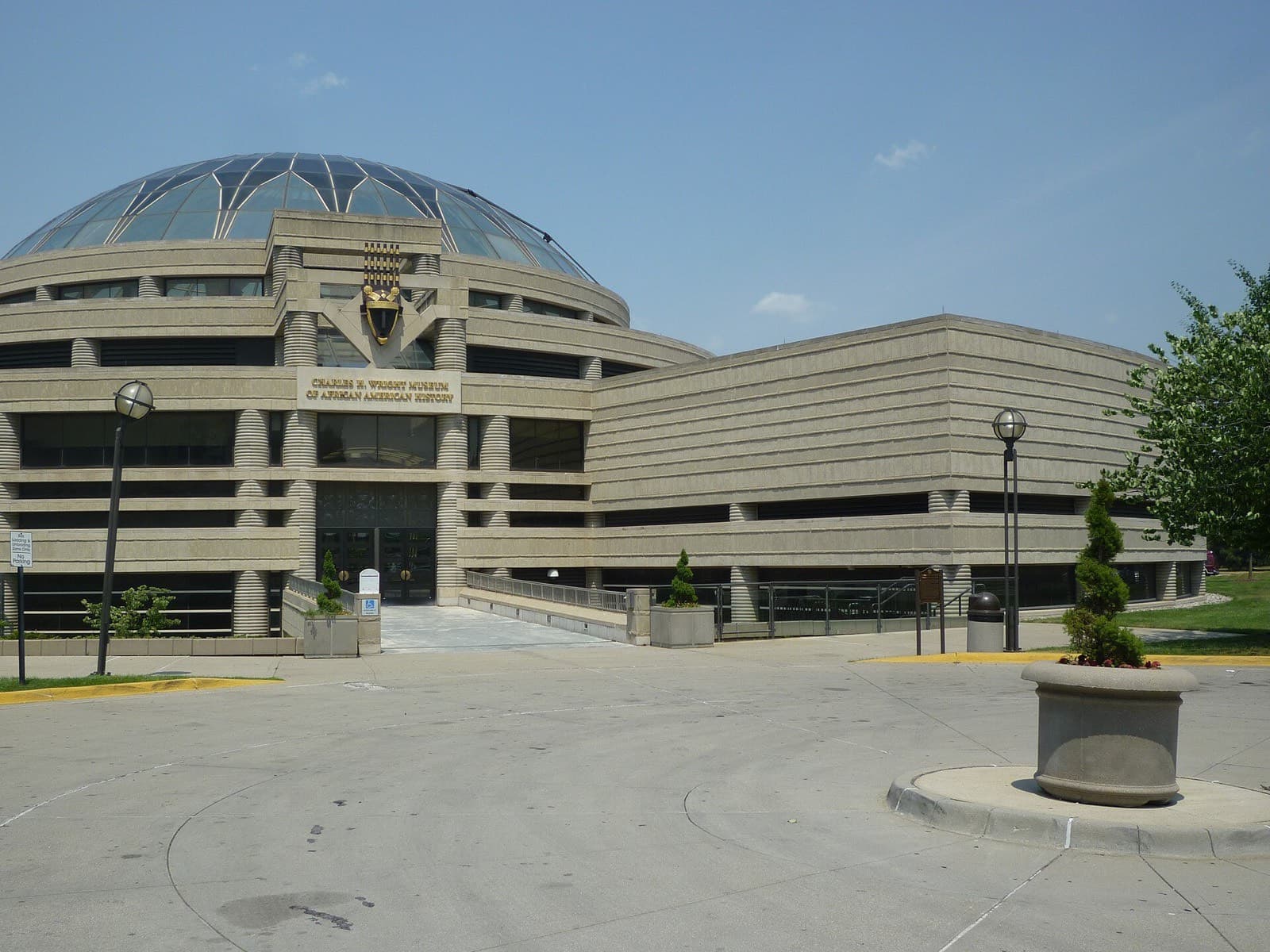
Exterior of the Charles H. Wright Museum of African American History in Detroit.
Quick fix, CC BY-SA 2.0, via Wikimedia Commons.

PLACE TO KNOW

The Charles H. Wright Museum of African American History in Detroit.

The Wright is one of the largest institutions in the world dedicated to African American history and culture. Its exhibitions move from African origins through the Middle Passage to Detroit's own story of labor, entrepreneurship, music, and civic leadership.

Source: Charles H. Wright Museum
The International African American Museum at Gadsden's Wharf in Charleston.
Making it with the Matthews, CC BY 3.0, via Wikimedia Commons.

PLACE TO KNOW

The International African American Museum in Charleston.

Opened in 2023 at Gadsden's Wharf, where a large share of enslaved Africans first arrived in North America, the International African American Museum tells the story of that arrival and everything built after it. Its Center for Family History helps Black families trace genealogy through records that were never designed to remember them.

Source: International African American Museum
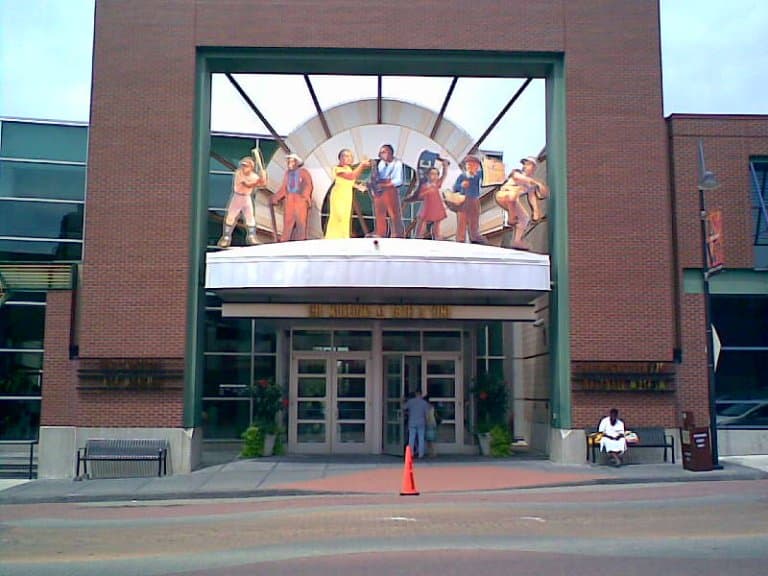
Entrance of the Negro Leagues Baseball Museum in Kansas City.
SakuraAvalon86, CC BY-SA 3.0, via Wikimedia Commons.

PLACE TO VISIT

The Negro Leagues Baseball Museum in Kansas City.

The Negro Leagues were elite baseball and elite Black business: Black-owned teams, Black-run leagues, and economic engines for their communities. The museum in Kansas City's historic 18th & Vine district preserves that story, from Rube Foster's founding of the Negro National League in 1920 to Jackie Robinson.

Source: Negro Leagues Baseball Museum
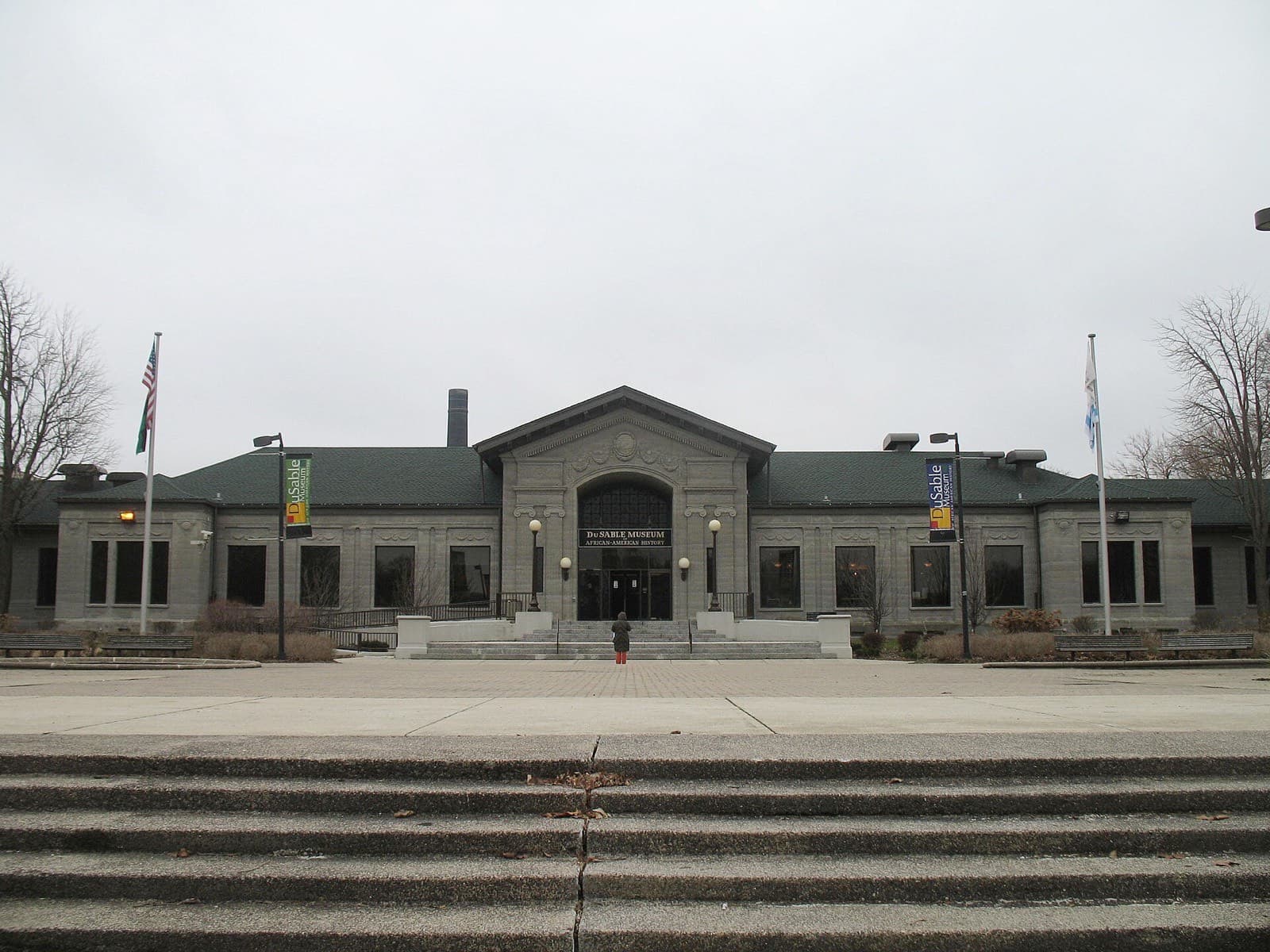
The DuSable Black History Museum and Education Center in Chicago.
TonyTheTiger, CC BY-SA 3.0, via Wikimedia Commons.

PLACE TO KNOW

The DuSable Black History Museum and Education Center in Chicago.

Founded in 1961 by Dr. Margaret Burroughs and fellow artists and educators, the DuSable is the oldest independent museum of Black history in the United States. It grew out of a living room on Chicago's South Side into a national institution.

Source: DuSable Black History Museum
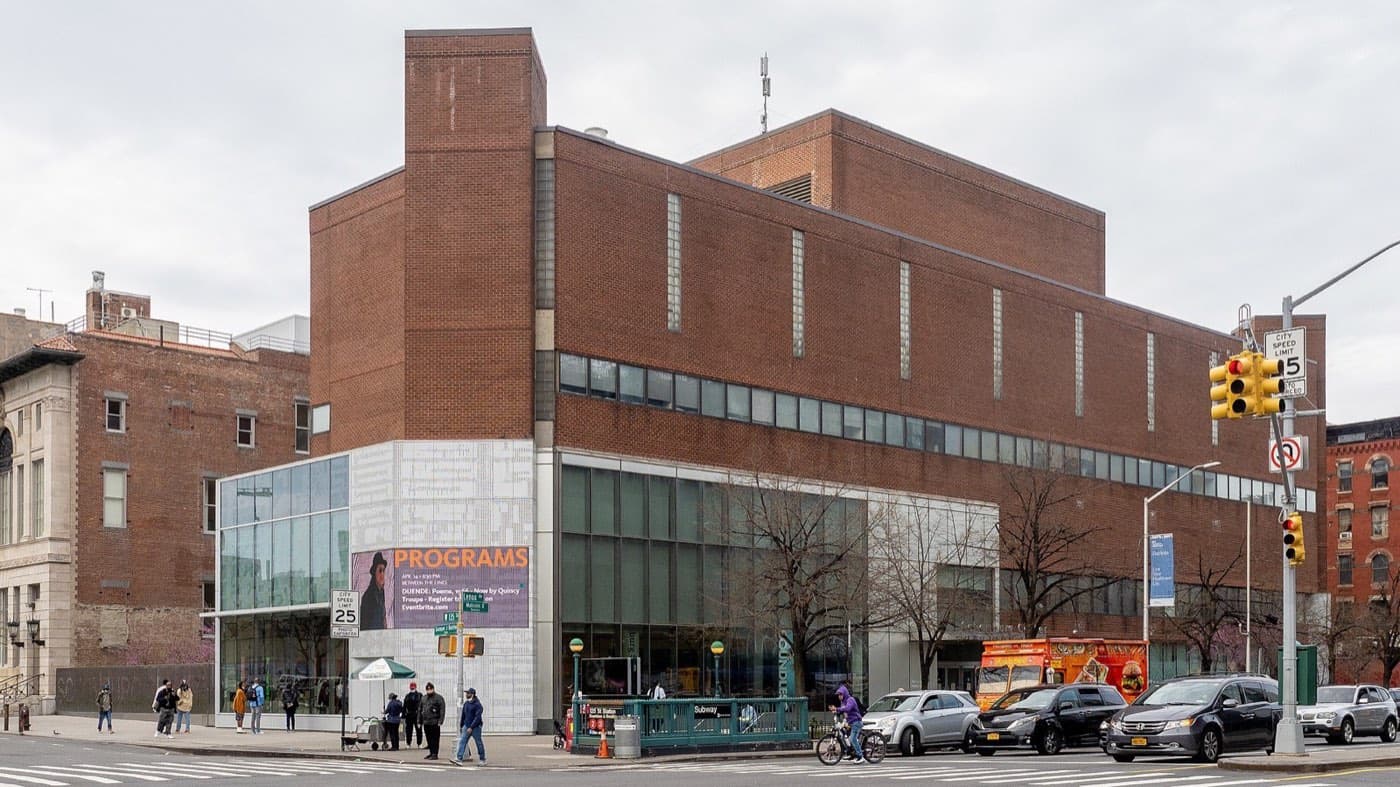
The Schomburg Center for Research in Black Culture in Harlem.
Ajay Suresh, CC BY 2.0, via Wikimedia Commons.

PLACE TO KNOW

The Schomburg Center for Research in Black Culture in Harlem.

Built from the personal collection of Afro-Puerto Rican scholar Arturo Schomburg, this New York Public Library research center has anchored Black intellectual life on Malcolm X Boulevard for nearly a century. It holds over eleven million items documenting the global Black experience.

Source: New York Public Library
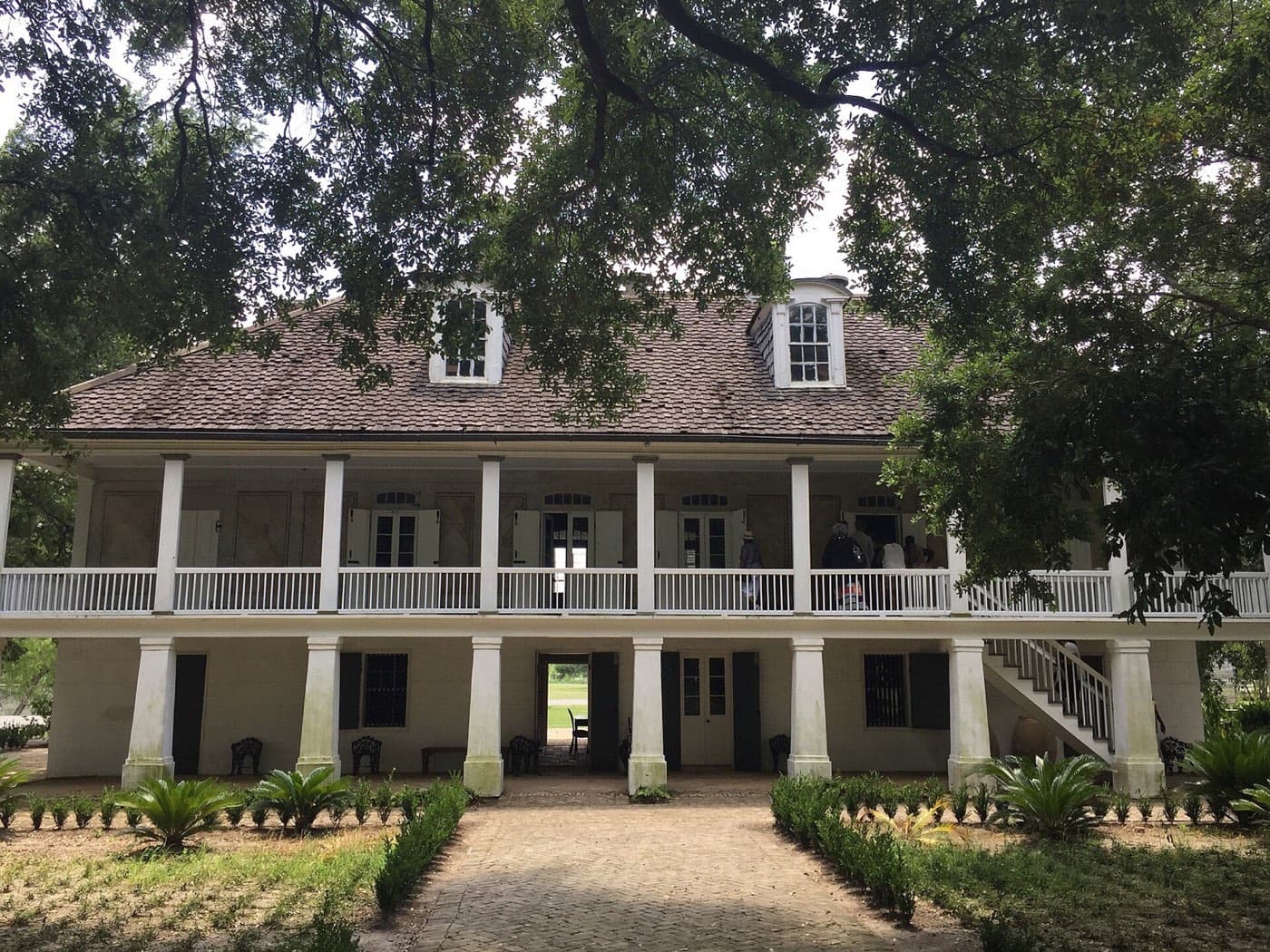
Historic buildings at Whitney Plantation in Louisiana.
Bill Leiser, CC BY-SA 4.0, via Wikimedia Commons.

PLACE TO KNOW

Whitney Plantation in Louisiana.

Whitney Plantation is the rare historic site of its kind devoted entirely to the lives of the people who were enslaved there. Through first-person narratives and memorials, it centers the enslaved rather than the estate, and it changed how plantation history is told in America.

Source: Whitney Plantation
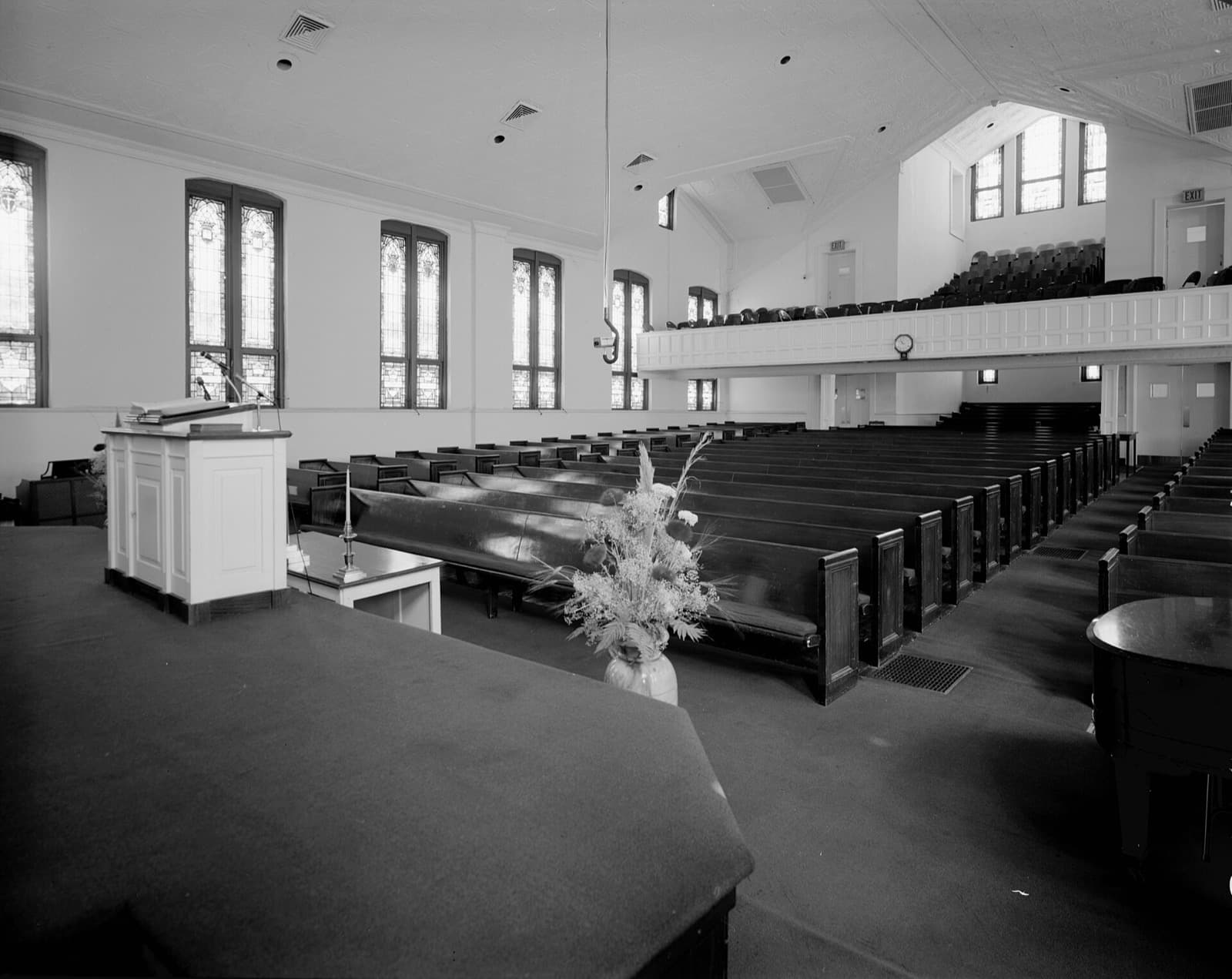
Ebenezer Baptist Church at Martin Luther King, Jr. National Historical Park in Atlanta.
Jet Lowe, Historic American Buildings Survey, public domain.

PLACE TO VISIT

Martin Luther King, Jr. National Historical Park in Atlanta.

The park preserves Dr. King's birth home, historic Ebenezer Baptist Church where he preached, and The King Center, all within the Sweet Auburn district that was once called the richest Negro street in the world. History, faith, and Black enterprise sit on the same few blocks.

Source: National Park Service
The Birmingham Civil Rights Institute in Birmingham, Alabama.
Historic American Buildings Survey, public domain.

PLACE TO KNOW

The Birmingham Civil Rights Institute.

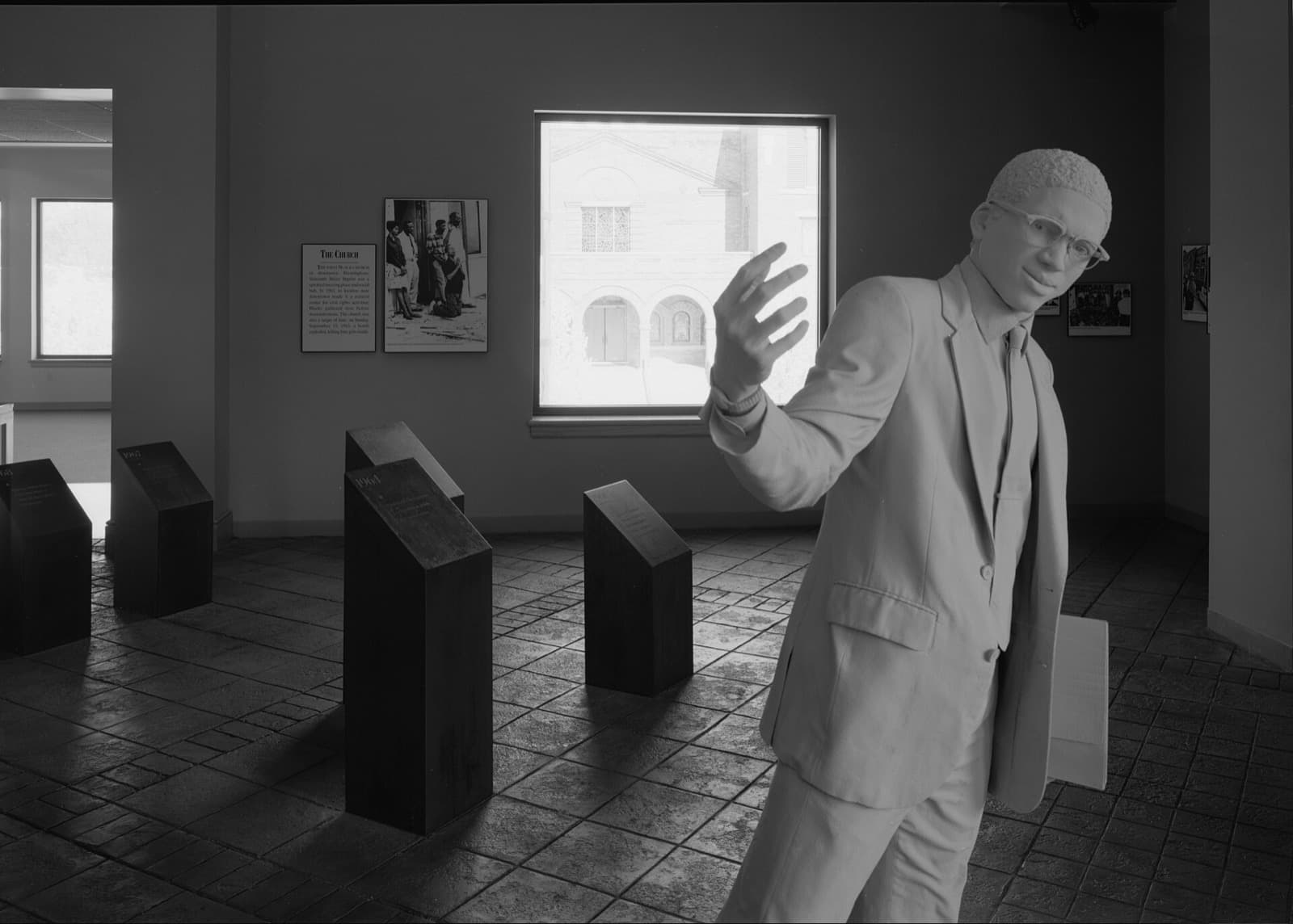
Across the street from 16th Street Baptist Church and Kelly Ingram Park, the Birmingham Civil Rights Institute documents the city's central role in the movement, from the 1963 children's marches to the church bombing that shocked the nation into action.

Source: Birmingham Civil Rights Institute

PLACE TO KNOW

Greenwood Rising in Tulsa.

In the Greenwood District — the original Black Wall Street — Greenwood Rising honors the entrepreneurs who built one of the most prosperous Black business communities in American history. The history center tells the full story: the brilliance of what was built, and the community's determination to build again.

Source: Greenwood Rising
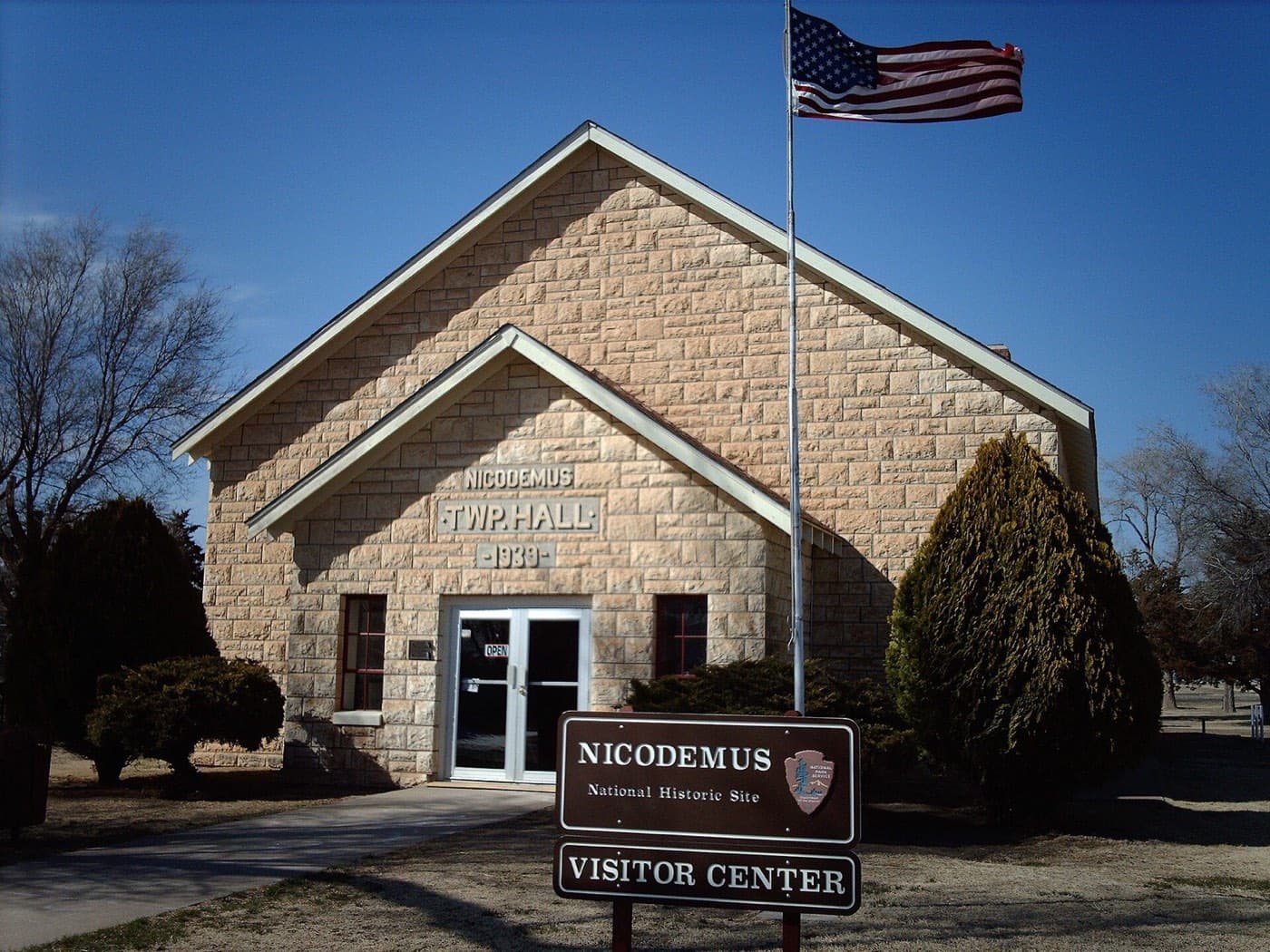
Historic township hall in Nicodemus, Kansas.
Nationalparks, CC BY-SA 2.5, via Wikimedia Commons.

PLACE TO KNOW

Nicodemus, Kansas: a town Black families built.

Founded in 1877 by Black homesteaders leaving Kentucky after Reconstruction, Nicodemus is the oldest surviving Black settlement west of the Mississippi. The National Park Service preserves its churches, hotel, and township hall — proof that Black land ownership and self-governance have deep American roots.

Source: National Park Service

PLACE TO VISIT

Tuskegee Institute National Historic Site in Alabama.

Booker T. Washington founded Tuskegee in 1881 and built it into a national engine of Black education, skilled trades, and enterprise. The historic campus preserves The Oaks, Washington's home, and the George Washington Carver Museum, where science met economic self-determination.

Source: National Park Service
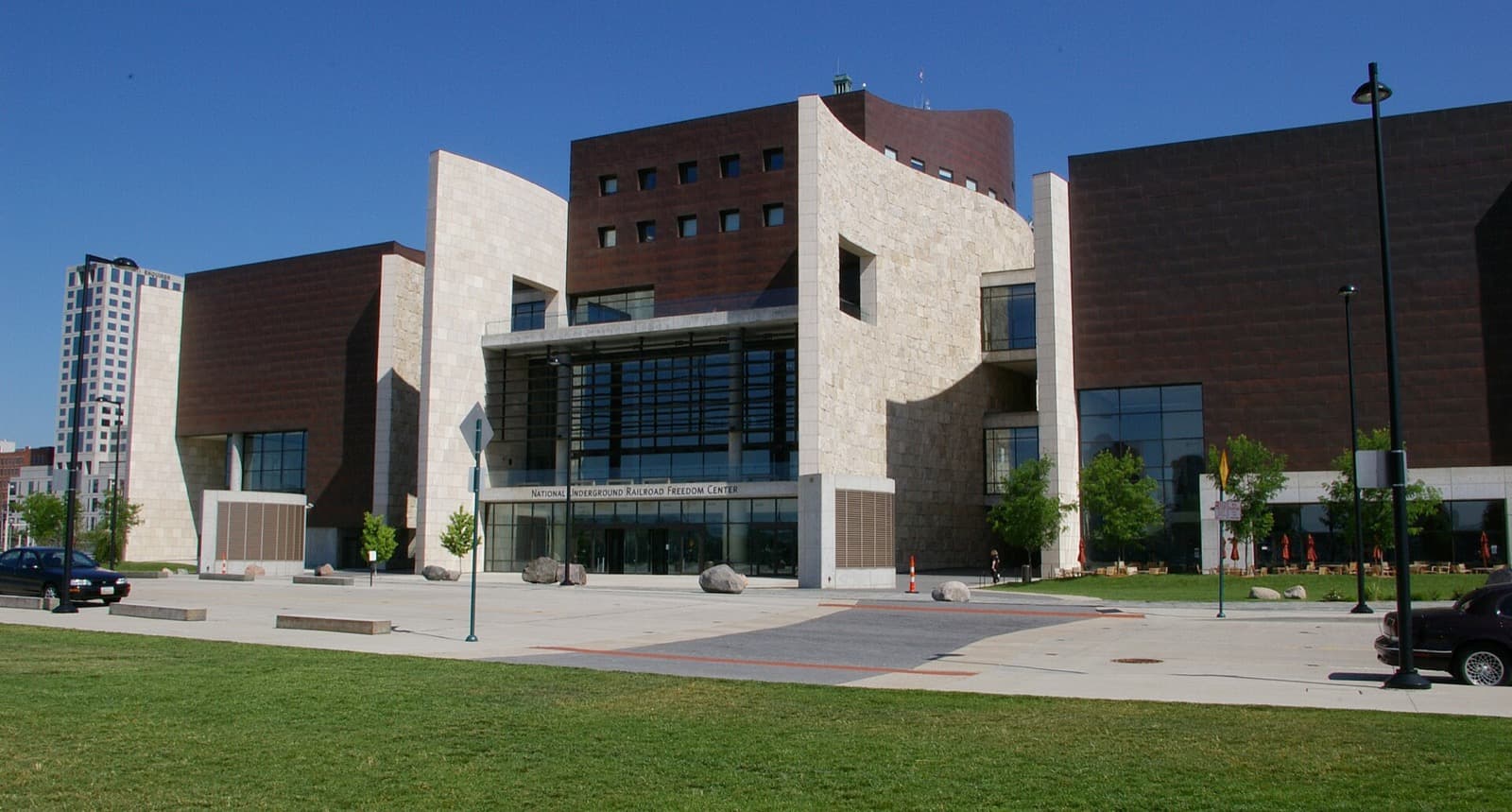
The National Underground Railroad Freedom Center on the Cincinnati riverfront.
MamaGeek, CC BY-SA 3.0, via Wikimedia Commons.

PLACE TO VISIT

The National Underground Railroad Freedom Center in Cincinnati.

On the banks of the Ohio River — the water so many crossed to freedom — the Freedom Center tells the story of the Underground Railroad and the courage, cooperation, and perseverance that powered it. Its galleries connect that legacy to freedom struggles around the world today.

Source: National Underground Railroad Freedom Center
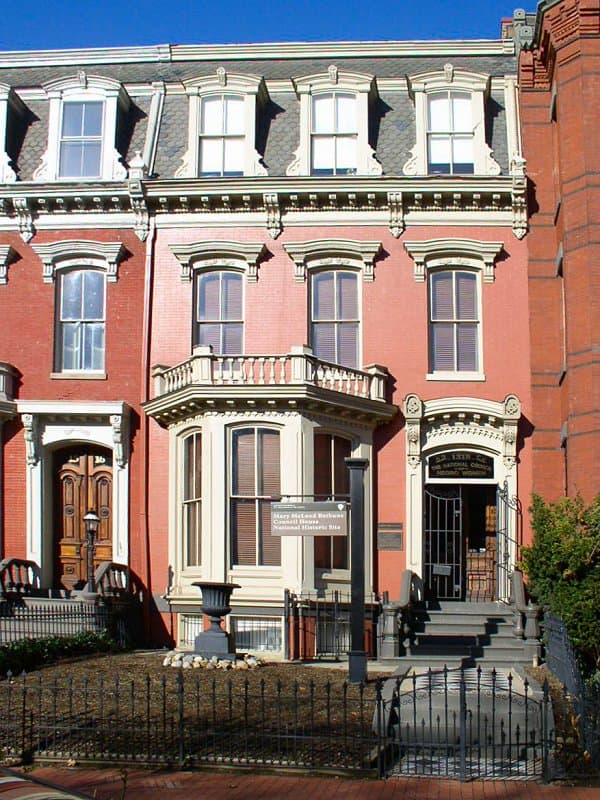
The Mary McLeod Bethune Council House National Historic Site in Washington, D.C.
McGhiever, CC BY-SA 3.0, via Wikimedia Commons.

PLACE TO KNOW

The Mary McLeod Bethune Council House in Washington, D.C.

Mary McLeod Bethune — educator, presidential advisor, and daughter of formerly enslaved parents — founded a college with $1.50 and faith, then founded the National Council of Negro Women from this Washington townhouse. The National Park Service preserves it as a monument to Black women's leadership.

Source: National Park Service
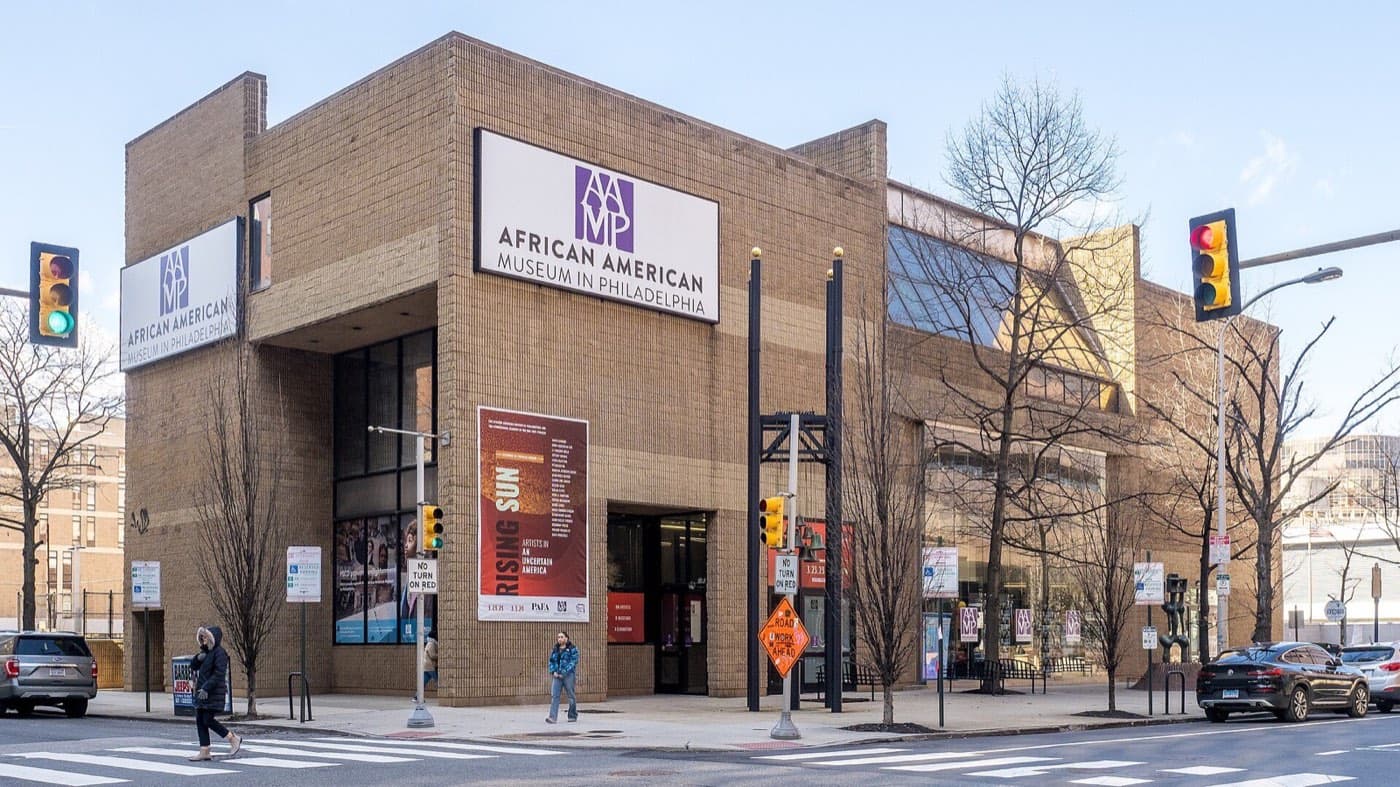
The African American Museum in Philadelphia.
Ajay Suresh, CC BY 2.0, via Wikimedia Commons.

PLACE TO KNOW

The African American Museum in Philadelphia.

Founded in 1976 during the nation's Bicentennial, AAMP was the first institution built by a major American city to preserve and interpret the heritage of African Americans. Its galleries move from the founders' era in Philadelphia through contemporary Black art and life.

Source: African American Museum in Philadelphia
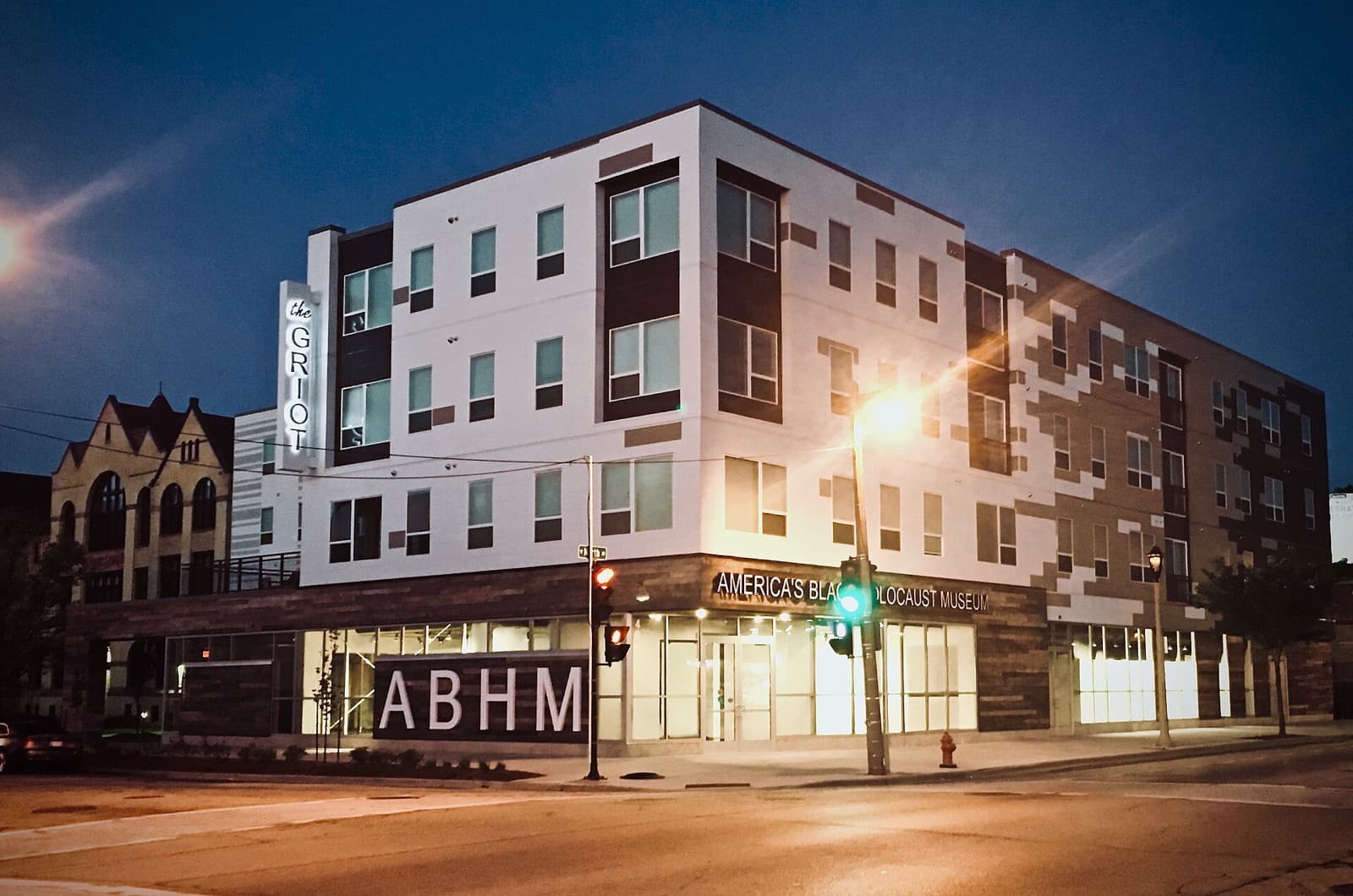
America's Black Holocaust Museum in Milwaukee.
BottlewoodMKE, CC BY-SA 4.0, via Wikimedia Commons.

PLACE TO KNOW

America's Black Holocaust Museum in Milwaukee.

Founded in 1988 by Dr. James Cameron, America's Black Holocaust Museum tells the full arc of the African American journey — and insists on repair, reconciliation, and hope. Rebuilt and reopened by its community, the museum itself is a story of perseverance.

Source: America's Black Holocaust Museum

KEEP THE THREAD

Culture points to commerce.

Every story here connects to businesses working right now. Support the living version of this history — or add a story we are missing.

Next collectionCelebrations & Moments