All culture collections

THE SOUNDTRACK

Music That Moved the World

Nearly every genre America exports began in Black communities: from Congo Square drum circles to a Bronx rec room, from a Chicago warehouse to a Detroit basement. This is the story of the sound — and of the studios, labels, and stages that were Black-owned businesses too.

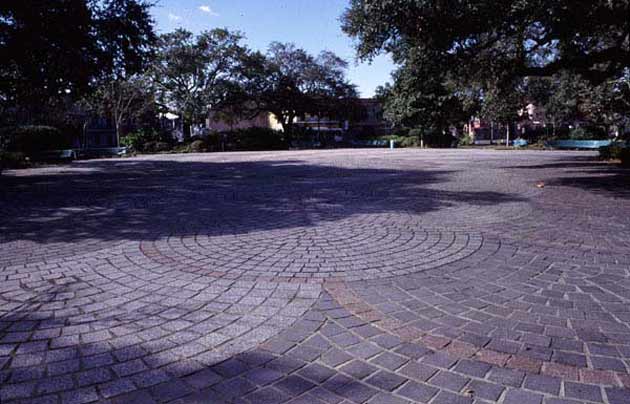
Congo Square in Louis Armstrong Park, New Orleans.
Falcanary, public domain, via Wikimedia Commons.

WHERE IT BEGAN

Congo Square: the drum that never stopped.

On Sundays in 18th- and 19th-century New Orleans, enslaved and free Black people gathered in Congo Square to drum, dance, sing, and trade — one of the only public places in America where African musical traditions could be practiced openly. Historians trace the rhythmic roots of jazz, and through it nearly all American popular music, to those gatherings. The square still stands in Louis Armstrong Park in Tremé.

Source: New Orleans Jazz National Historical Park
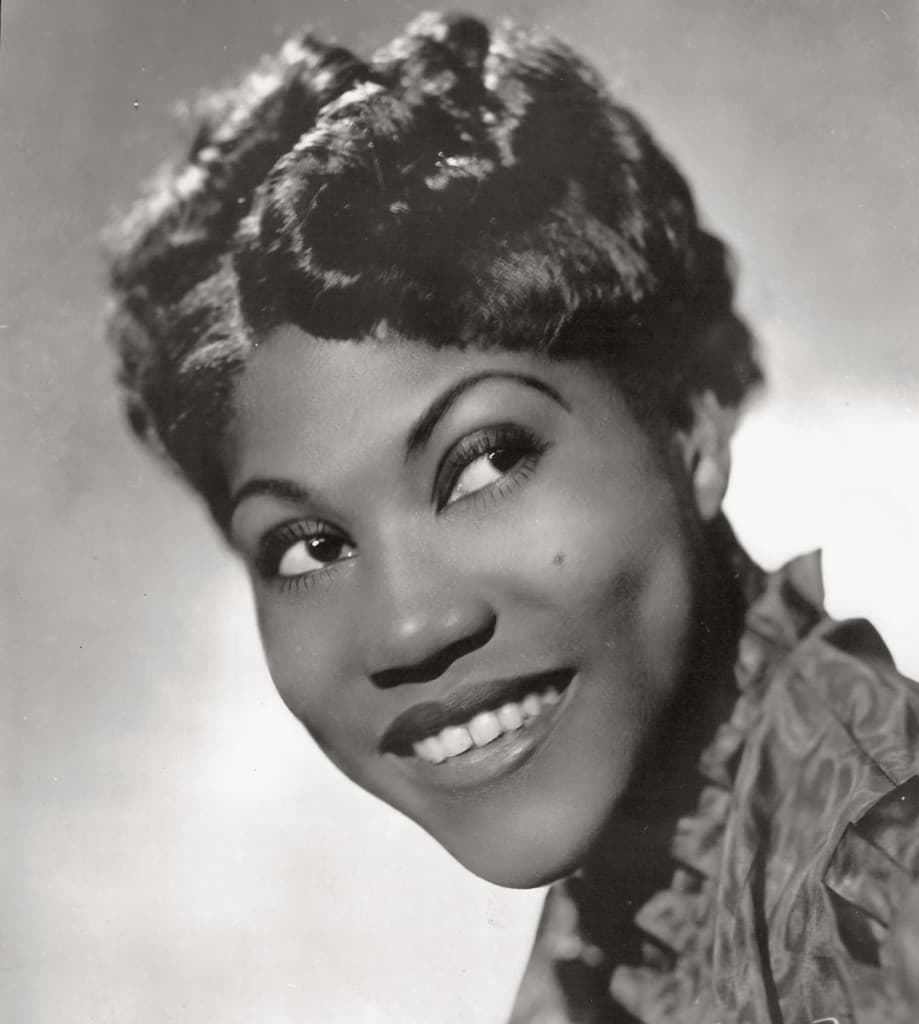
Portrait of Sister Rosetta Tharpe with her guitar.
James J. Kriegsmann, public domain, via Wikimedia Commons.

THE GODMOTHER

Sister Rosetta Tharpe plugged in first.

Decades before rock and roll had a name, gospel star Sister Rosetta Tharpe was bending notes on an electric guitar in front of thousands. Chuck Berry, Little Richard, Elvis Presley, and Johnny Cash all pointed back to her. The Rock & Roll Hall of Fame inducted her in 2018 as an Early Influence — the godmother of rock and roll.

Source: Rock & Roll Hall of Fame
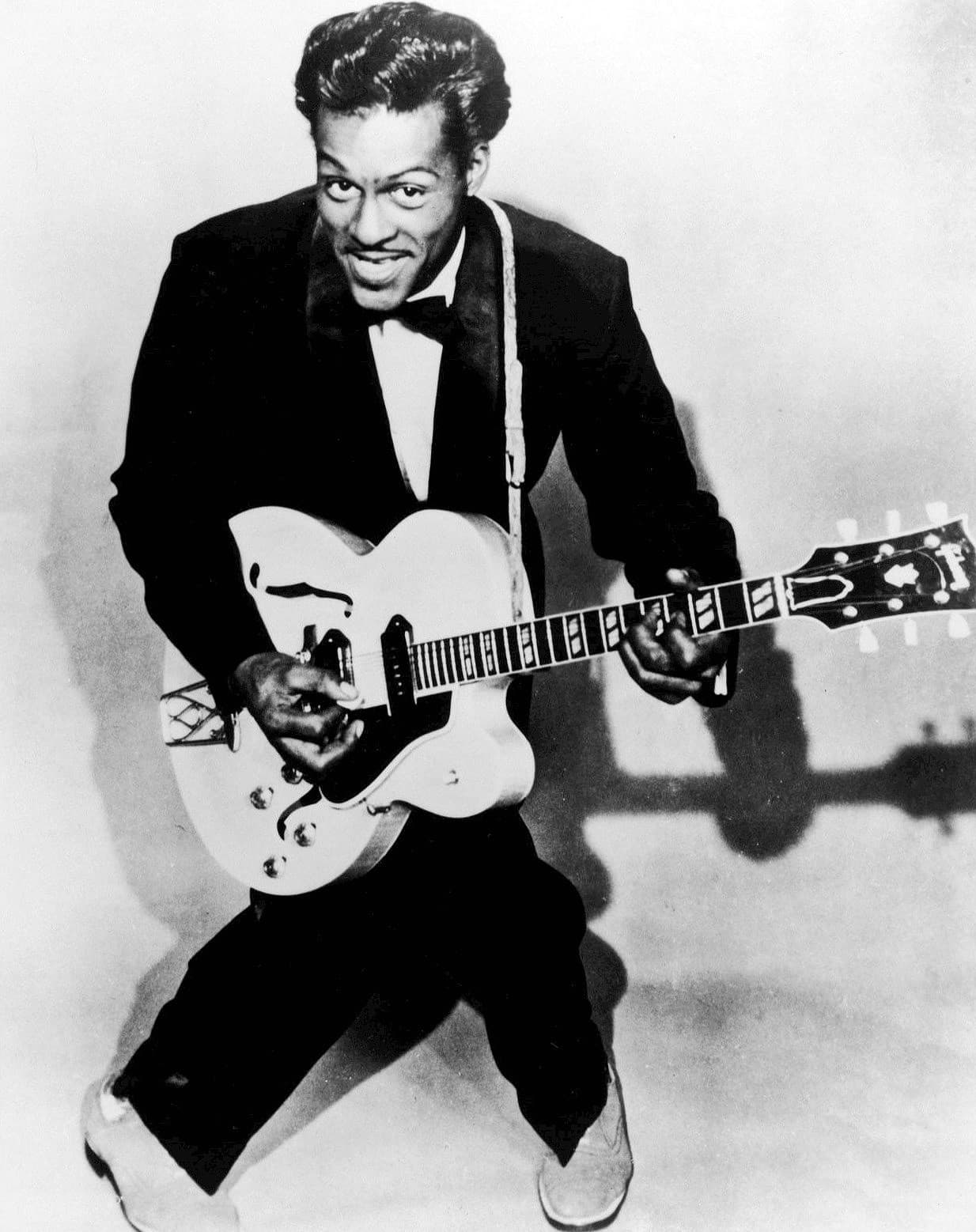
Chuck Berry performing with his guitar.
Universal Attractions, public domain, via Wikimedia Commons.

THE ARCHITECT

Chuck Berry wrote rock and roll's vocabulary.

"Maybellene" in 1955, then "Roll Over Beethoven," "Johnny B. Goode," and a guitar language every rock band since has spoken. Chuck Berry fused blues, country, and showmanship into the sound that named a genre — and he was in the very first class inducted into the Rock & Roll Hall of Fame in 1986.

Source: Rock & Roll Hall of Fame
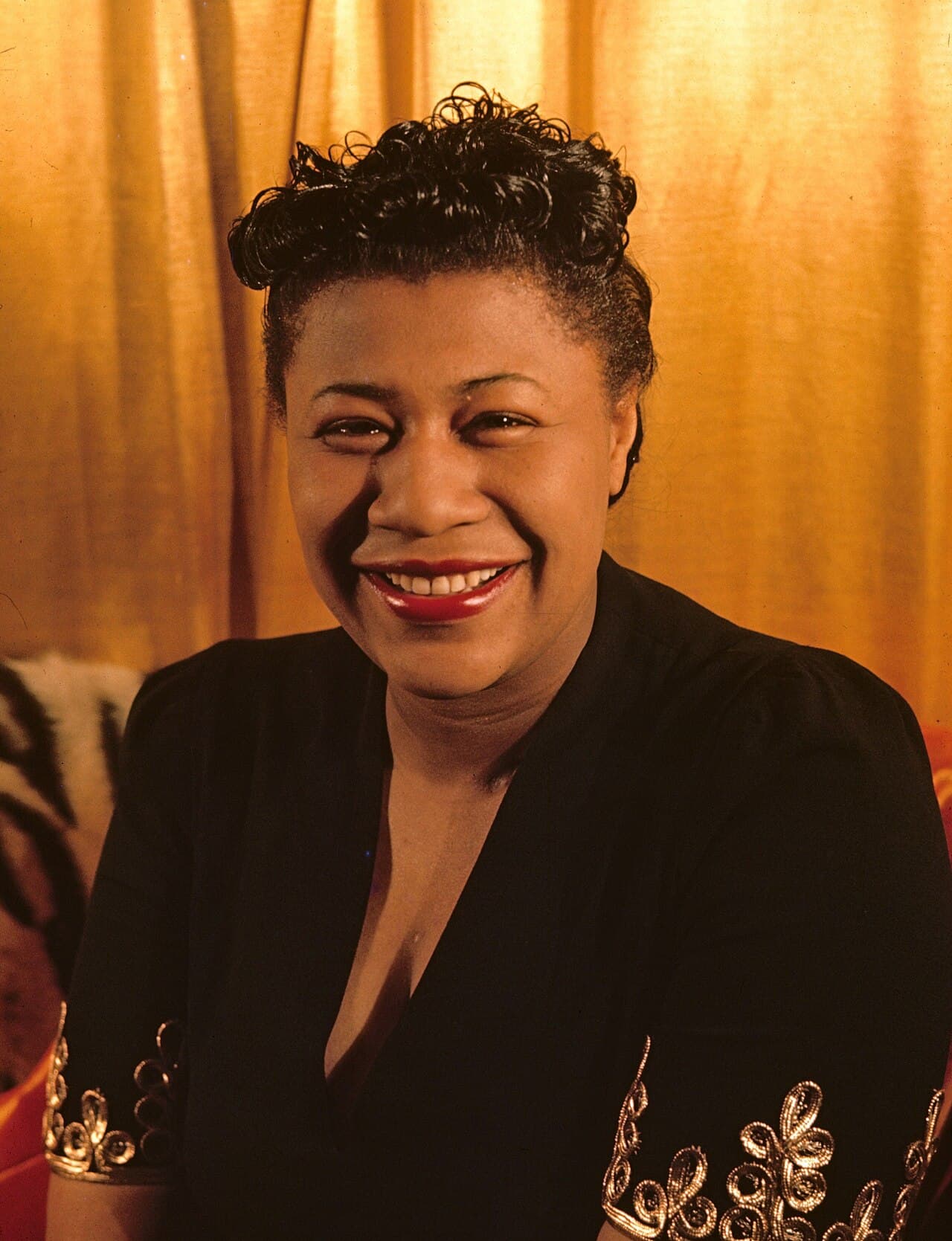
Portrait of Ella Fitzgerald in 1940.
Carl Van Vechten, public domain, via Wikimedia Commons.

THE FIRST LADY

Ella Fitzgerald: from Apollo Amateur Night to the world.

In November 1934, a 17-year-old Ella Fitzgerald stepped onto the Apollo Theater stage on Amateur Night intending to dance — and sang instead. She won first prize, and went on to become the First Lady of Song, winning 13 Grammy Awards including at the very first Grammy ceremony. Her songbook recordings remain the definitive American vocal jazz.

Source: Apollo Theater
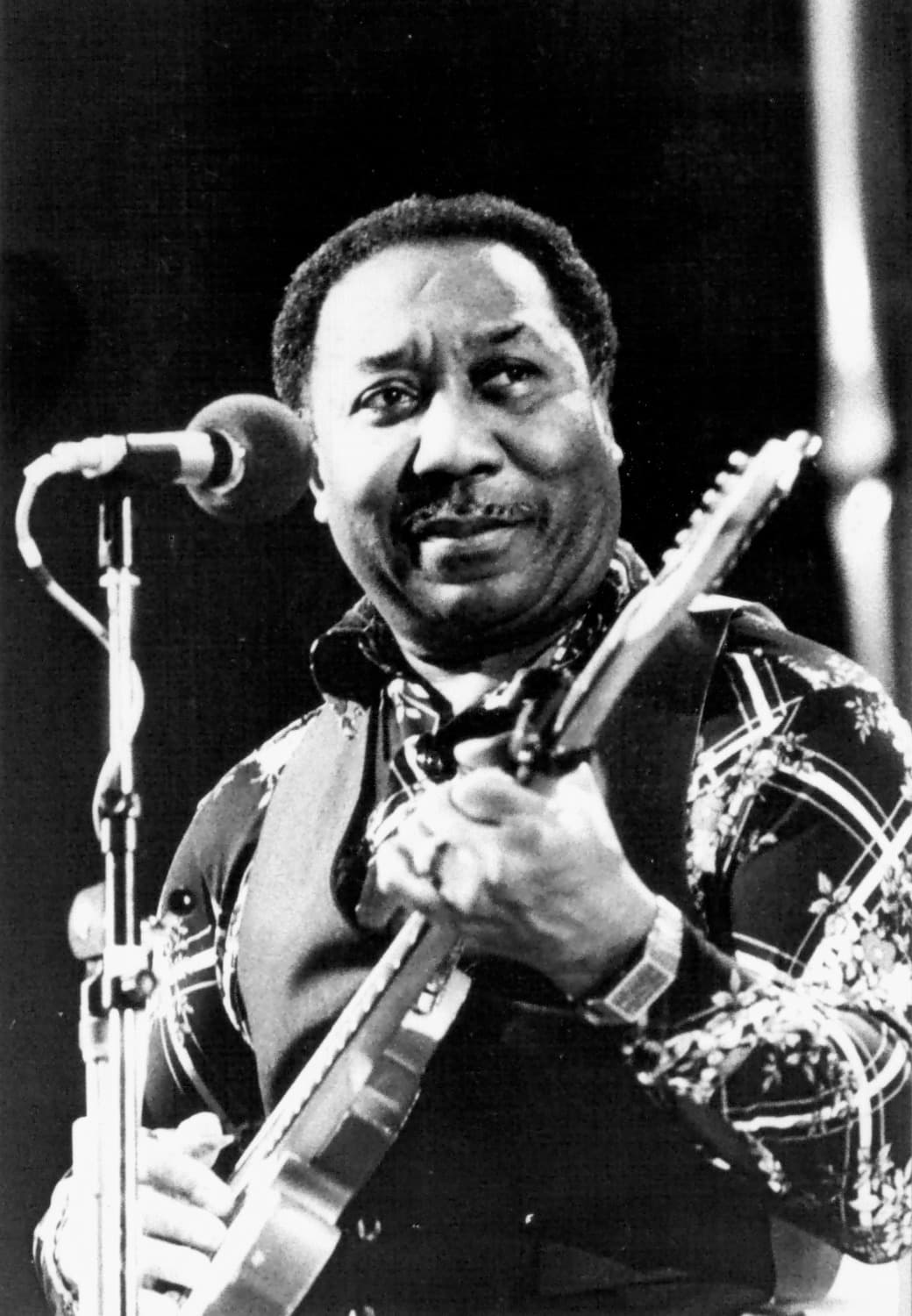
Muddy Waters performing live.
Lionel Decoster, CC BY-SA 4.0, via Wikimedia Commons.

ELECTRIC BLUES

Muddy Waters carried the Delta to Chicago.

The Great Migration carried the Mississippi Delta blues north, and Muddy Waters plugged it in. Recording at Chess Records on Chicago's South Michigan Avenue, he built the electric blues that British teenagers studied like scripture — the Rolling Stones took their name from his song. Chicago blues is the bridge between the field holler and the arena.

Source: Blues Foundation Hall of Fame

GOSPEL

Thomas A. Dorsey made gospel a genre.

A former blues pianist, Thomas A. Dorsey fused sacred lyrics with blues feeling at Chicago's Pilgrim Baptist Church in the 1930s and became known as the father of gospel music. His song "Take My Hand, Precious Lord" — written in grief after losing his wife and son — was Dr. King's favorite, sung at his funeral. Gospel trained generations of voices that shaped soul, R&B, and pop.

Source: Georgia Music Hall of Fame history
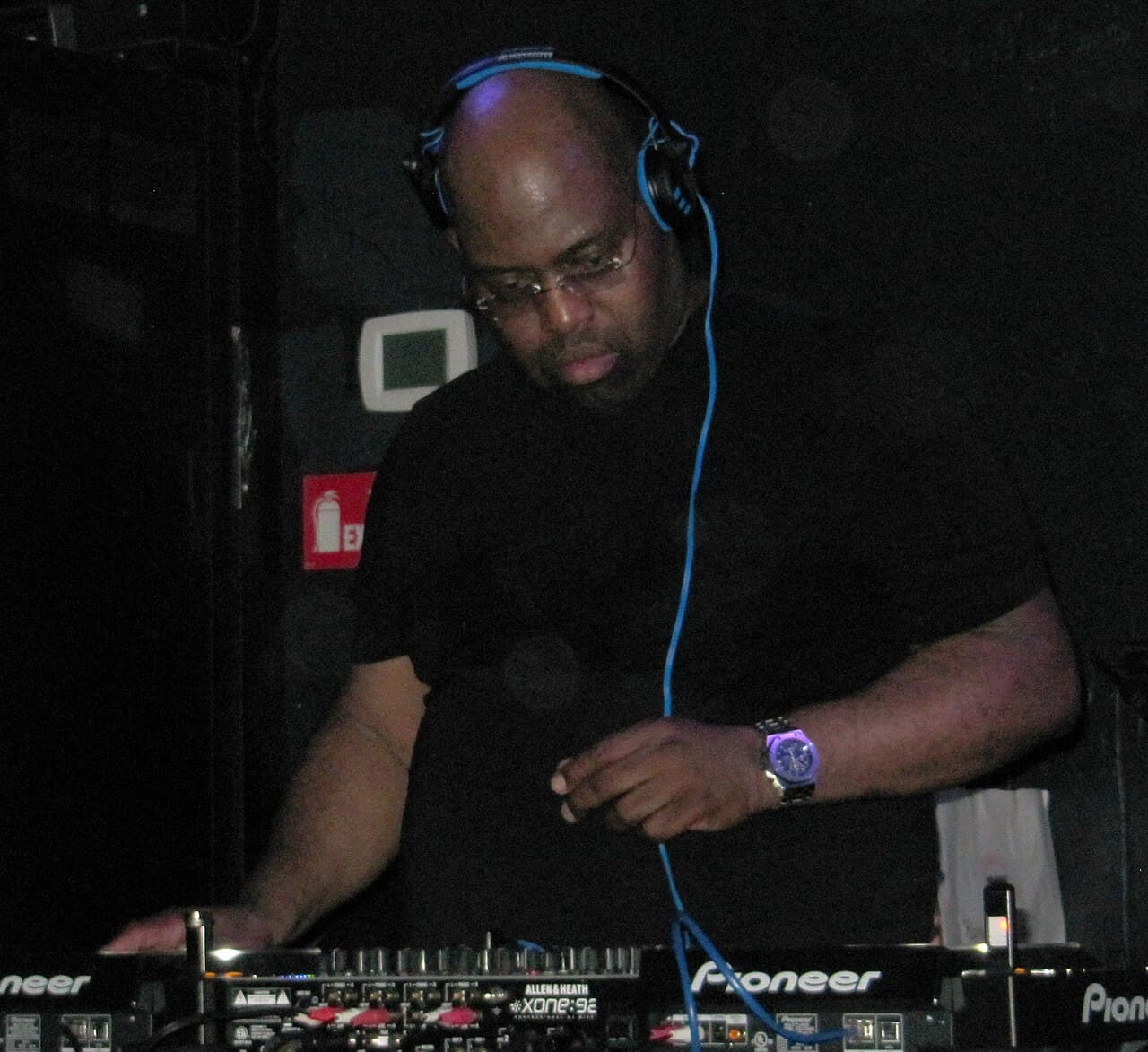
Frankie Knuckles DJing.
HaeB, CC BY-SA 4.0, via Wikimedia Commons.

HOUSE

Frankie Knuckles built house music in a Chicago warehouse.

In the late 1970s and early 1980s, Frankie Knuckles turned DJ sets at Chicago's Warehouse club into a new genre — named for the club itself. House music traveled from Black and gay Chicago dance floors to every corner of global pop; Knuckles won a Grammy for his remix work, and Chicago named a street Frankie Knuckles Way. Nearly every beat on today's charts owes him rent.

Source: Frankie Knuckles — history

TECHNO

Techno was born Black, in Detroit.

In 1980s metro Detroit, three high-school friends — Juan Atkins, Derrick May, and Kevin Saunderson, the Belleville Three — synthesized funk, electro, and futurism into techno. The genre that fills festivals from Berlin to Tokyo is a Black American invention, and Detroit still honors it as hometown heritage.

Source: Detroit Historical Society
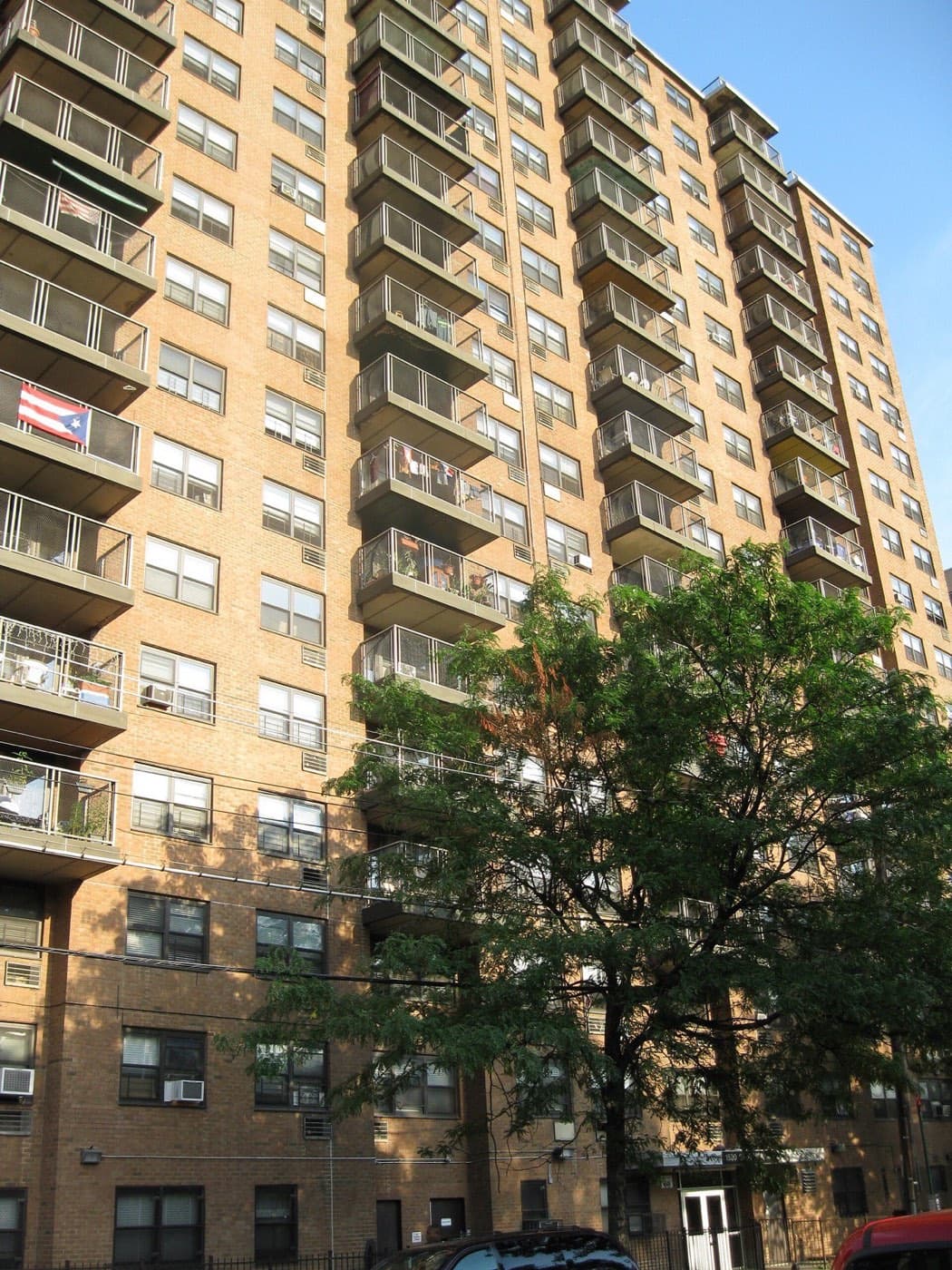
1520 Sedgwick Avenue apartment building in the Bronx, New York.
Bigtimepeace, public domain, via Wikimedia Commons.

PLACE TO KNOW

1520 Sedgwick Avenue: where hip-hop was born.

On August 11, 1973, DJ Kool Herc and his sister Cindy Campbell threw a back-to-school party in the rec room of 1520 Sedgwick Avenue in the Bronx — the night widely honored as the birth of hip-hop. From that room came a global culture and one of the greatest engines of Black entrepreneurship ever built: labels, fashion, media, and stages worldwide.

Source: The Hip Hop Museum
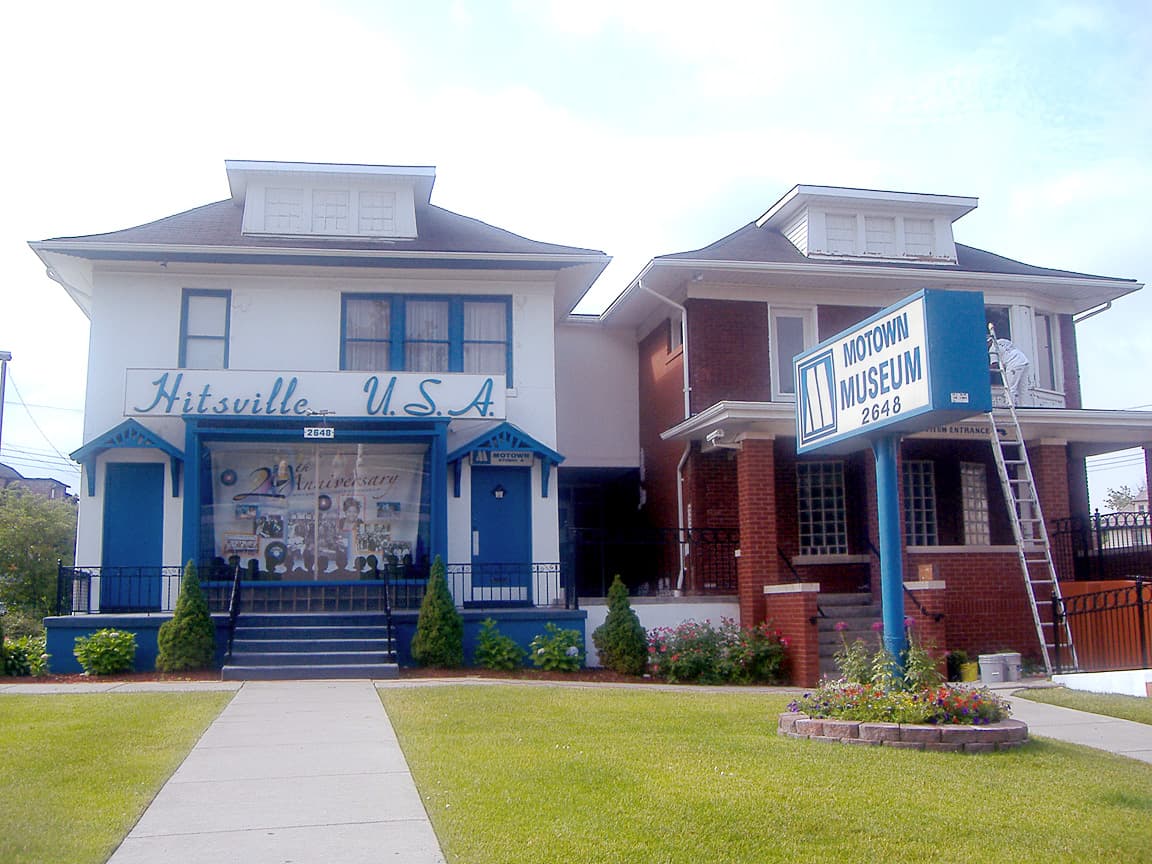
The Hitsville U.S.A. house, home of the Motown Museum in Detroit.
Blob4000, public domain, via Wikimedia Commons.

PLACE TO VISIT

Motown Museum: Hitsville U.S.A. in Detroit.

The house at 2648 West Grand Boulevard is where Berry Gordy built Motown Records, one of the most successful Black-owned businesses in American history and the label behind Stevie Wonder, Diana Ross and The Supremes, Marvin Gaye, and Smokey Robinson. The museum preserves Studio A, where the hits were recorded.

Source: Motown Museum
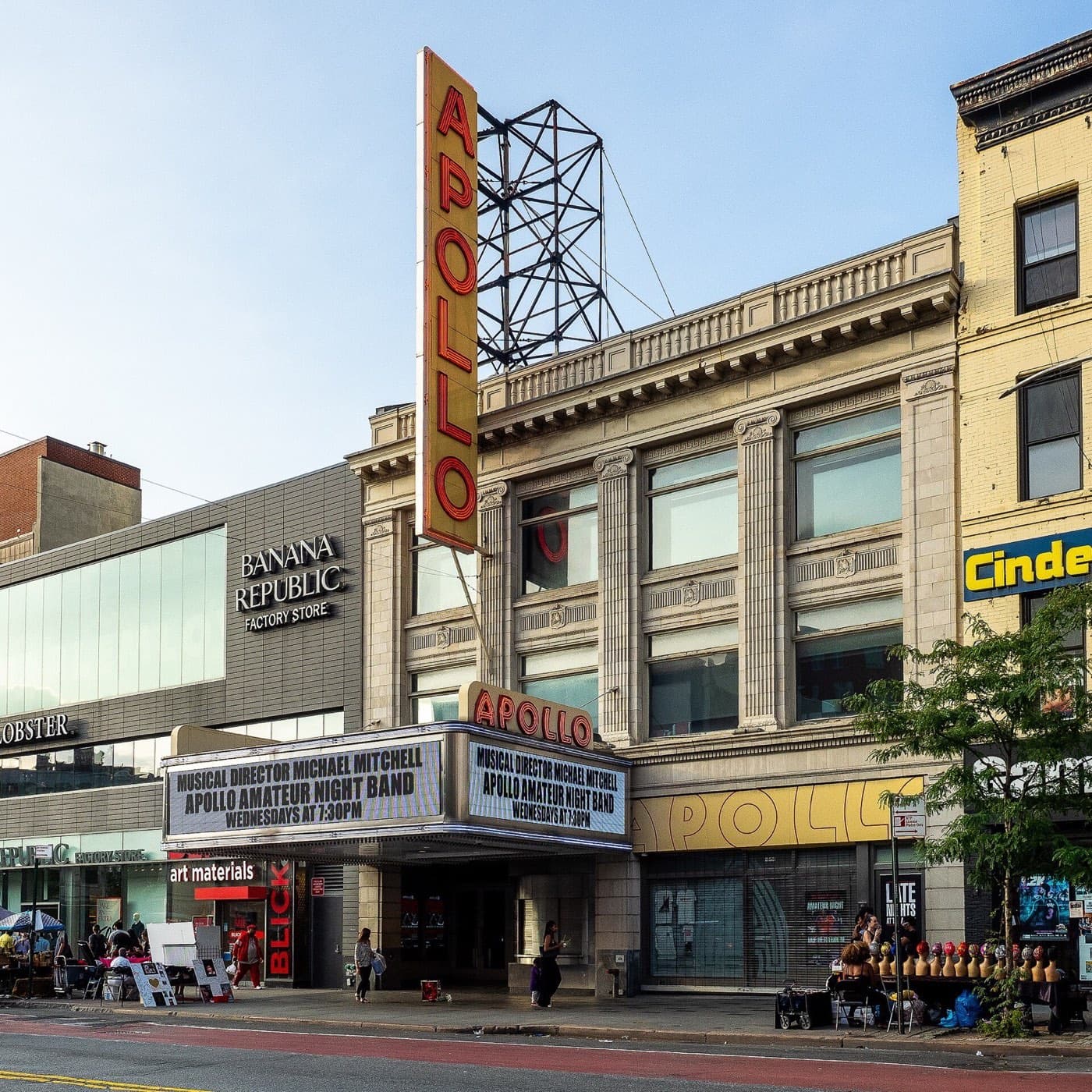
The Apollo Theater marquee on 125th Street in Harlem.
Ajay Suresh, CC BY 2.0, via Wikimedia Commons.

PLACE TO VISIT

The Apollo Theater in Harlem.

Since 1934 the Apollo has been one of the most influential stages in American music, launching and shaping careers from Ella Fitzgerald to James Brown to Lauryn Hill. Amateur Night at the Apollo is still running, and the theater remains the cultural heart of 125th Street.

Source: Apollo Theater
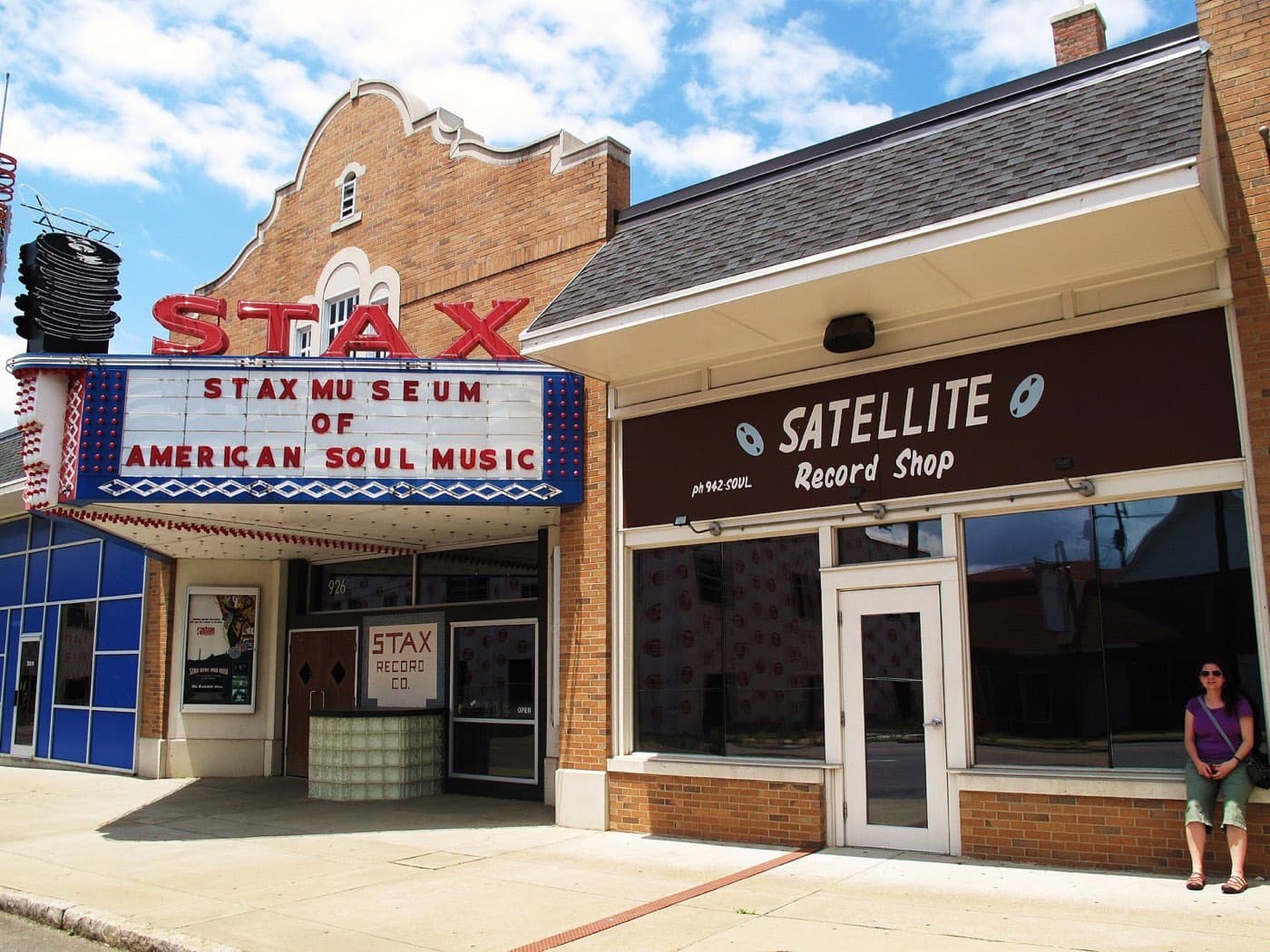
Exterior of the Stax Museum of American Soul Music in Memphis.
Victor Chapa, CC BY 2.0, via Wikimedia Commons.

PLACE TO VISIT

Stax Museum of American Soul Music in Memphis.

Built on the original site of Stax Records at 926 E. McLemore Avenue, the Stax Museum celebrates the label that gave the world Otis Redding, Isaac Hayes, and the Staple Singers. Stax was soul music and Black enterprise on the same block — studio, label, and neighborhood rising together.

Source: Stax Museum

PLACE TO KNOW

The National Museum of African American Music in Nashville.

Opened in 2021 in the heart of Music City, NMAAM is the first museum dedicated to preserving and celebrating the many music genres created, influenced, and inspired by African Americans — from spirituals and gospel through blues, jazz, R&B, and hip-hop. One nation, under a groove.

Source: National Museum of African American Music

PLACE TO KNOW

New Orleans Jazz National Historical Park.

Jazz — America's original art form — was born in the Black neighborhoods of New Orleans, and the National Park Service preserves and interprets that birthplace. Live performances, ranger-led programs, and historic sites across the city keep the origin story playing.

Source: National Park Service

KEEP THE THREAD

Culture points to commerce.

Every story here connects to businesses working right now. Support the living version of this history — or add a story we are missing.

Next collectionInvention & Innovation