All culture collections

THE BUILDERS

Business Lineage

Black enterprise in America is a lineage: haircare empires, chartered banks, insurance giants, media houses built on $500 loans, and the Green Book — the original Black business directory that this platform descends from directly.

THE PROMISE REVOKED

Forty acres and a mule: the head start that was taken back.

In January 1865, General William T. Sherman's Special Field Orders No. 15 set aside some 400,000 acres of Southern coastline for newly freed Black families in forty-acre plots — and the Army later lent mules to work them. By that summer, roughly 40,000 freedpeople had settled the land. Then President Lincoln was assassinated, and his successor, Andrew Johnson, reversed the order that fall, returning the land to the planters who had made war on the country. The first great transfer of wealth to Black America was cancelled before its first harvest. Every builder in this collection built without that inheritance — which is exactly why ownership, and where our dollars go, still carry this much weight.

Source: PBS — Henry Louis Gates Jr., "The Truth Behind '40 Acres and a Mule'"
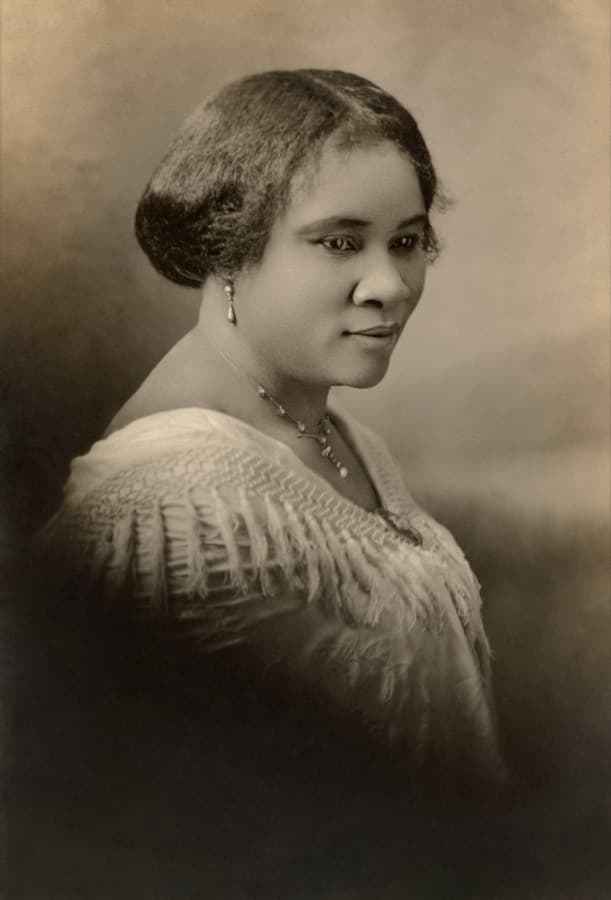
Portrait of Madam C.J. Walker.
Addison N. Scurlock, public domain, via Smithsonian National Portrait Gallery and Wikimedia Commons.

BUSINESS LINEAGE

Madam C.J. Walker built ownership into beauty.

Madam C.J. Walker built a national hair-care company, trained a sales network, created jobs, and used her wealth for civic work. Her story is not just beauty history; it is Black business strategy, brand building, distribution, and economic power.

Source: National Women's History Museum
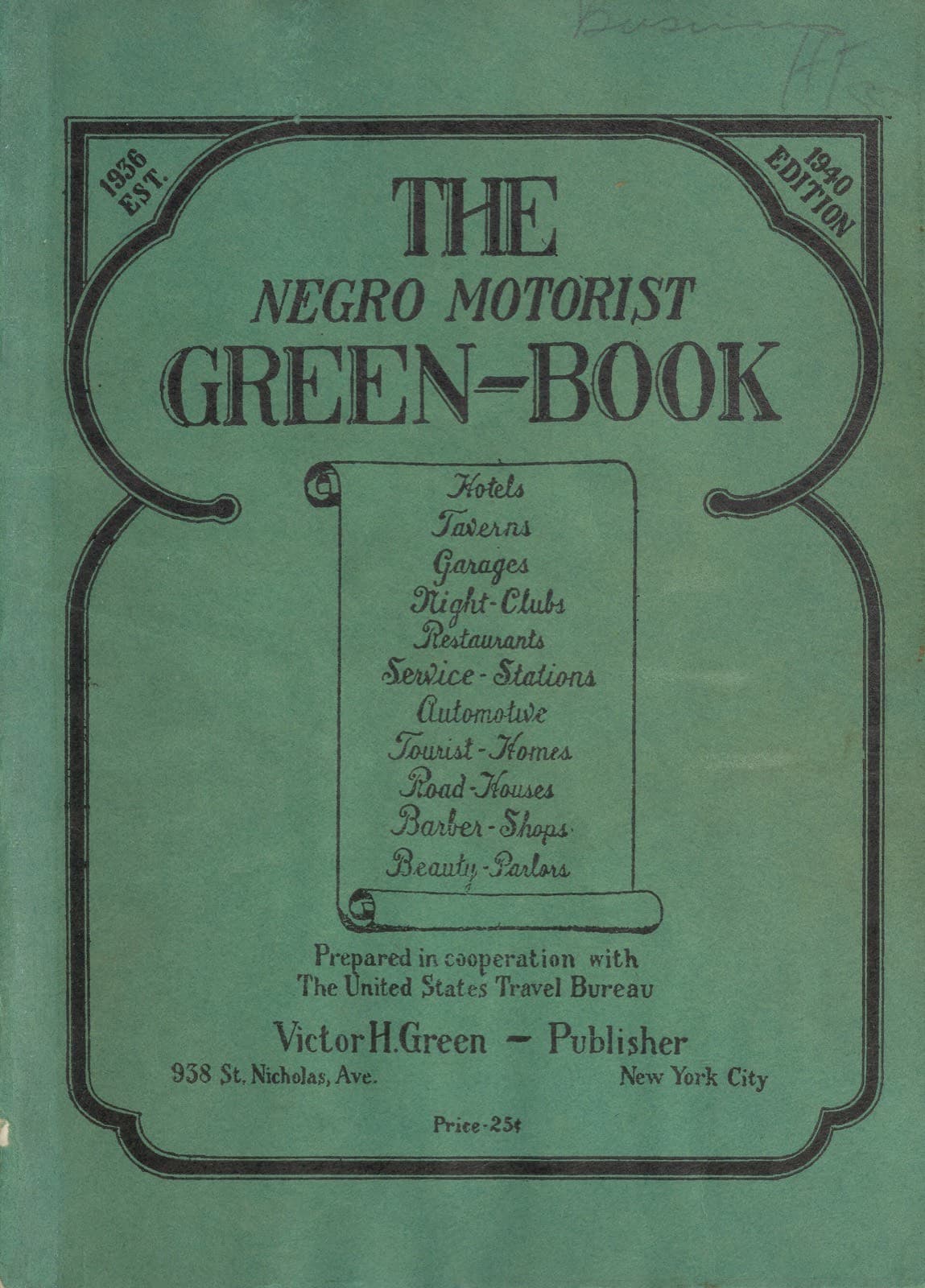
Cover of The Negro Motorist Green Book travel guide.
Victor Hugo Green, public domain, via Wikimedia Commons.

BUSINESS LINEAGE

The Green Book was the original Black business directory.

From 1936 to the 1960s, Harlem postal worker Victor Hugo Green published The Negro Motorist Green Book — a guide to businesses that welcomed Black travelers across America. It turned information into safety, dignity, and commerce. BLACK OWNED HERE. works in that lineage: honest listings that help our dollars find our businesses.

Source: NYPL Digital Collections
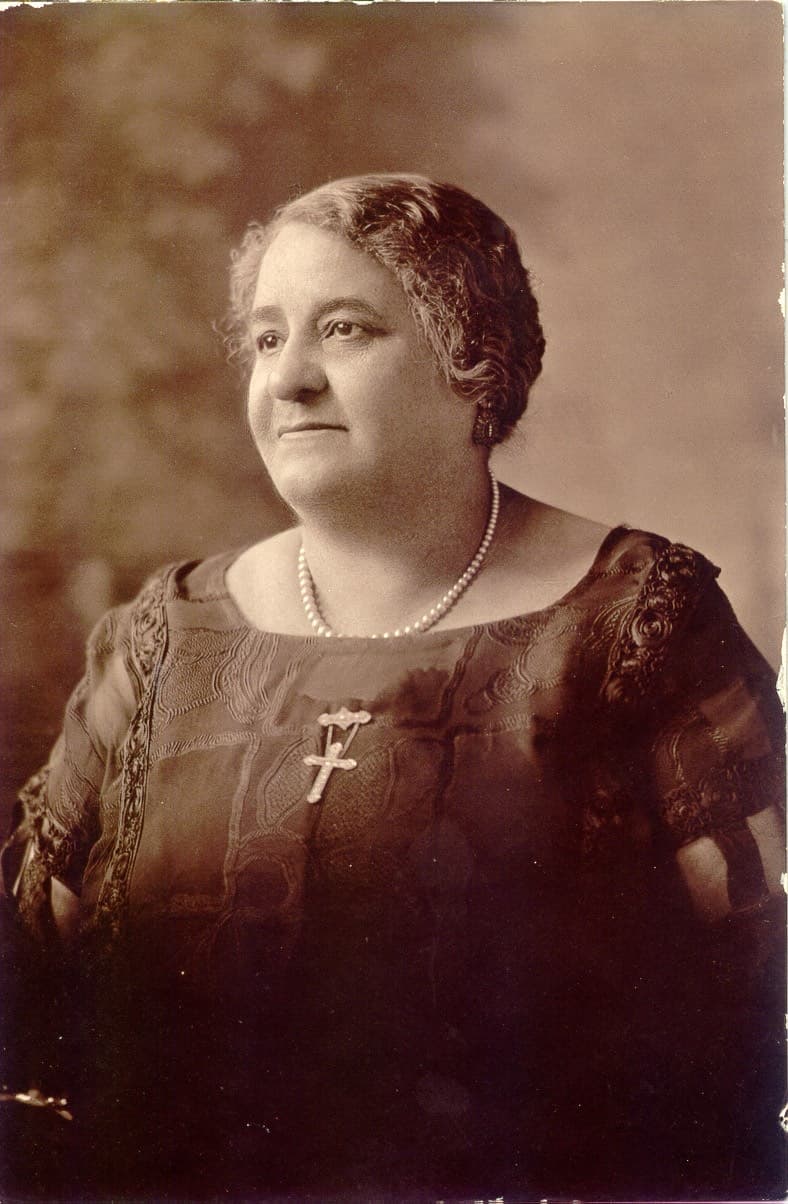
Portrait of Maggie Lena Walker.
National Park Service, CC BY 2.0, via Wikimedia Commons.

BUSINESS LINEAGE

Maggie Lena Walker chartered a bank.

In 1903 in Richmond, Virginia, Maggie Lena Walker became the first Black woman to charter a bank and serve as its president. St. Luke Penny Savings Bank turned nickels and dimes into mortgages and businesses, and the National Park Service preserves her home today.

Source: National Park Service

BLACK DOLLARS

Black business districts were economic engines.

Historic Black business districts, including Tulsa's Greenwood District, show what happens when ownership, services, culture, housing, media, and local trust reinforce one another. BLACK OWNED HERE. should learn from that lineage without pretending today's listings are automatically verified.

Source: Oklahoma Historical Society

BUSINESS LINEAGE

Annie Turnbo Malone built Poro College.

Annie Turnbo Malone built one of America's first great Black beauty companies and opened Poro College in St. Louis — a campus that trained tens of thousands of sales agents, including a young Madam C.J. Walker. Her philanthropy still serves St. Louis children today.

Source: Annie Malone Historical Society

BUSINESS LINEAGE

A.G. Gaston built an empire that housed the movement.

Starting with burial insurance in Birmingham, A.G. Gaston built businesses across insurance, banking, and hospitality. His A.G. Gaston Motel sheltered Dr. King during the 1963 campaign — Black enterprise literally giving the movement a place to stay.

Source: Encyclopedia of Alabama

BUSINESS LINEAGE

Reginald F. Lewis closed the billion-dollar deal.

In 1987, Reginald F. Lewis acquired Beatrice International Foods for $985 million, creating TLC Beatrice, the first Black-owned company to top one billion dollars in revenue. A Harvard-trained lawyer turned financier, he asked the question this platform exists to answer: why should white guys have all the fun?

Source: Reginald F. Lewis Museum

BUSINESS LINEAGE

John H. Johnson built a media empire from a $500 loan.

John H. Johnson founded Johnson Publishing Company in 1942 with a $500 loan secured on his mother's furniture, and built Ebony and Jet into the most influential Black media brands in America. He proved that serving Black audiences with dignity was not charity; it was a market others were too blind to see.

Source: Encyclopaedia Britannica

KEEP THE THREAD

Culture points to commerce.

Every story here connects to businesses working right now. Support the living version of this history — or add a story we are missing.

Next collectionCities of Black America