All culture collections

THE MAP OF INFLUENCE

Cities of Black America

Black America has capitals — neighborhoods where migration, enterprise, faith, and music compounded into national influence. Some were burned and rebuilt; all still teach the same lesson: when Black dollars, institutions, and talent share an address, the whole country hears about it.

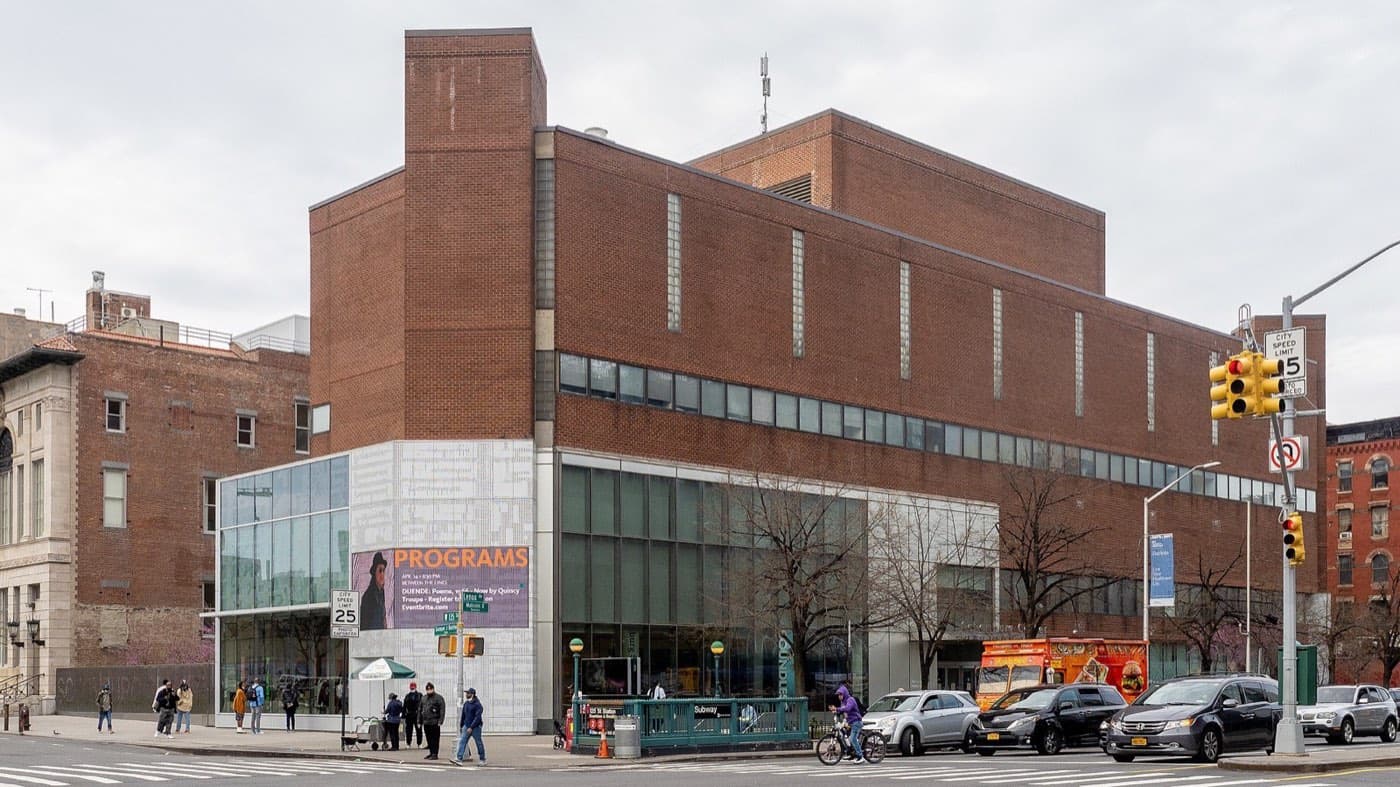
The Schomburg Center for Research in Black Culture in Harlem.
Ajay Suresh, CC BY 2.0, via Wikimedia Commons.

NEW YORK

Harlem: the capital of Black America.

The Great Migration made Harlem the largest Black urban community in the country, and the 1920s Harlem Renaissance made it the center of Black letters, music, and thought — Langston Hughes, Zora Neale Hurston, Duke Ellington, and the Savoy Ballroom all within a few dozen blocks. A century later, 125th Street, the Apollo, and the Schomburg Center still anchor the culture.

Source: Schomburg Center
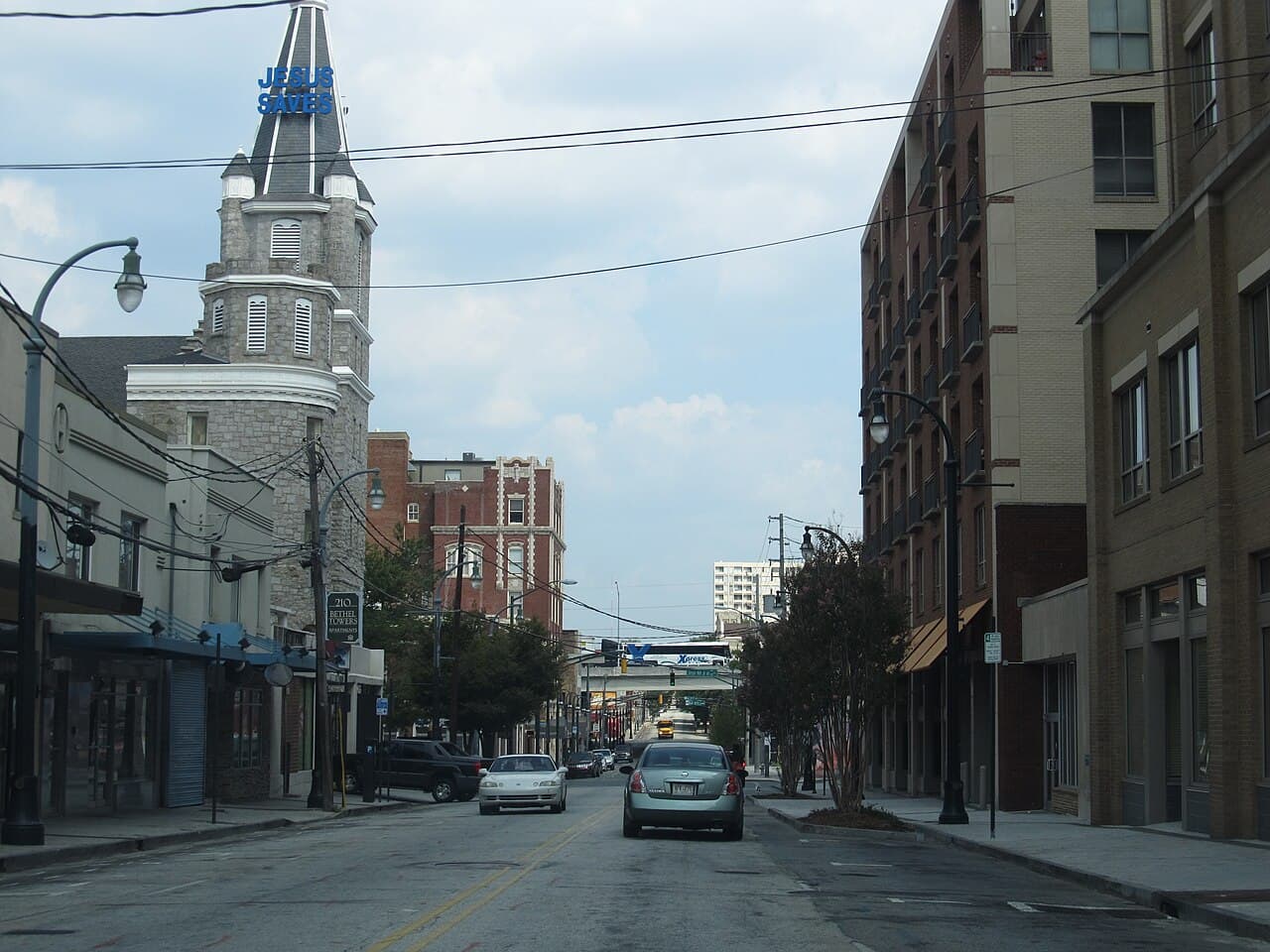
The Sweet Auburn historic district in Atlanta.
Ken Lund, CC BY-SA 2.0, via Wikimedia Commons.

ATLANTA

Sweet Auburn: "the richest Negro street in the world."

That's what civic leader John Wesley Dobbs called Auburn Avenue, where Alonzo Herndon's Atlanta Life Insurance Company, Big Bethel AME, and Dr. King's birth home stood blocks apart. Atlanta layered Black business, faith, and the largest cluster of HBCUs in the country — Morehouse, Spelman, Clark Atlanta — then elected Maynard Jackson in 1973 as the first Black mayor of a major Southern city.

Source: National Park Service — Sweet Auburn
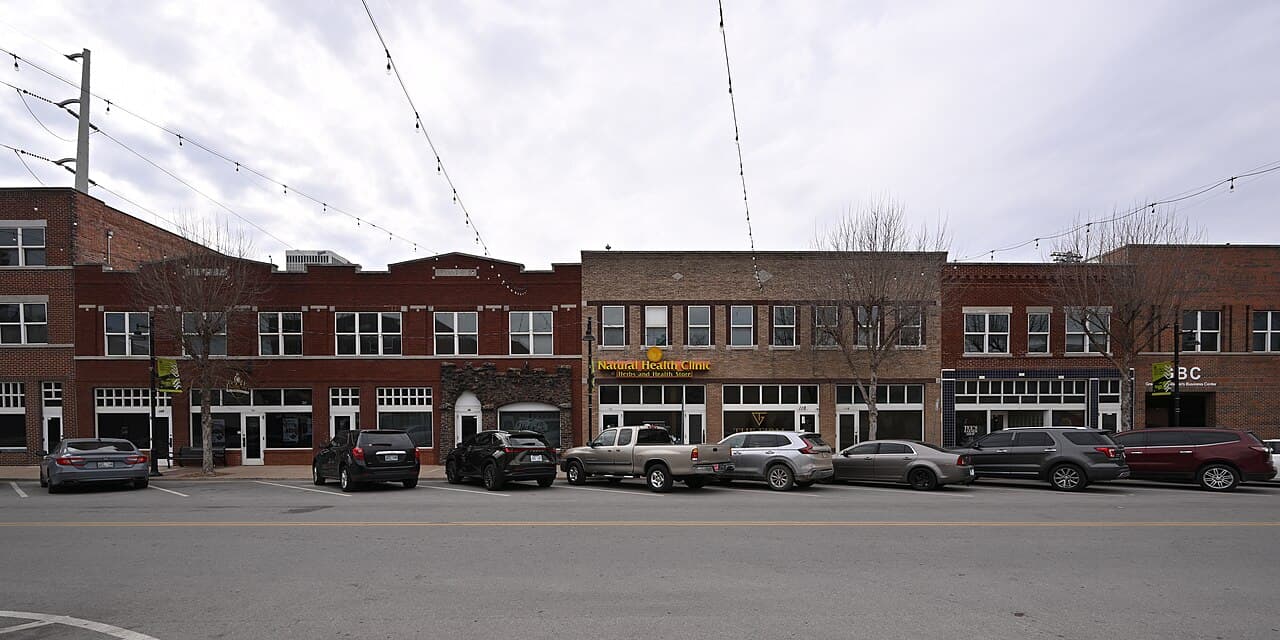
The Greenwood District in Tulsa, Oklahoma today.
G. Edward Johnson, CC BY 4.0, via Wikimedia Commons.

TULSA

Greenwood: Black Wall Street.

By 1921, Tulsa's Greenwood District held hotels, theaters, banks, newspapers, and doctors' offices — dozens of blocks of Black prosperity built by entrepreneurs like O.W. Gurley and J.B. Stradford. A white mob destroyed it in the Tulsa Race Massacre that June, one of the worst acts of racial violence in American history. Greenwood rebuilt, and its name became shorthand for what Black enterprise can build.

Source: Greenwood Rising
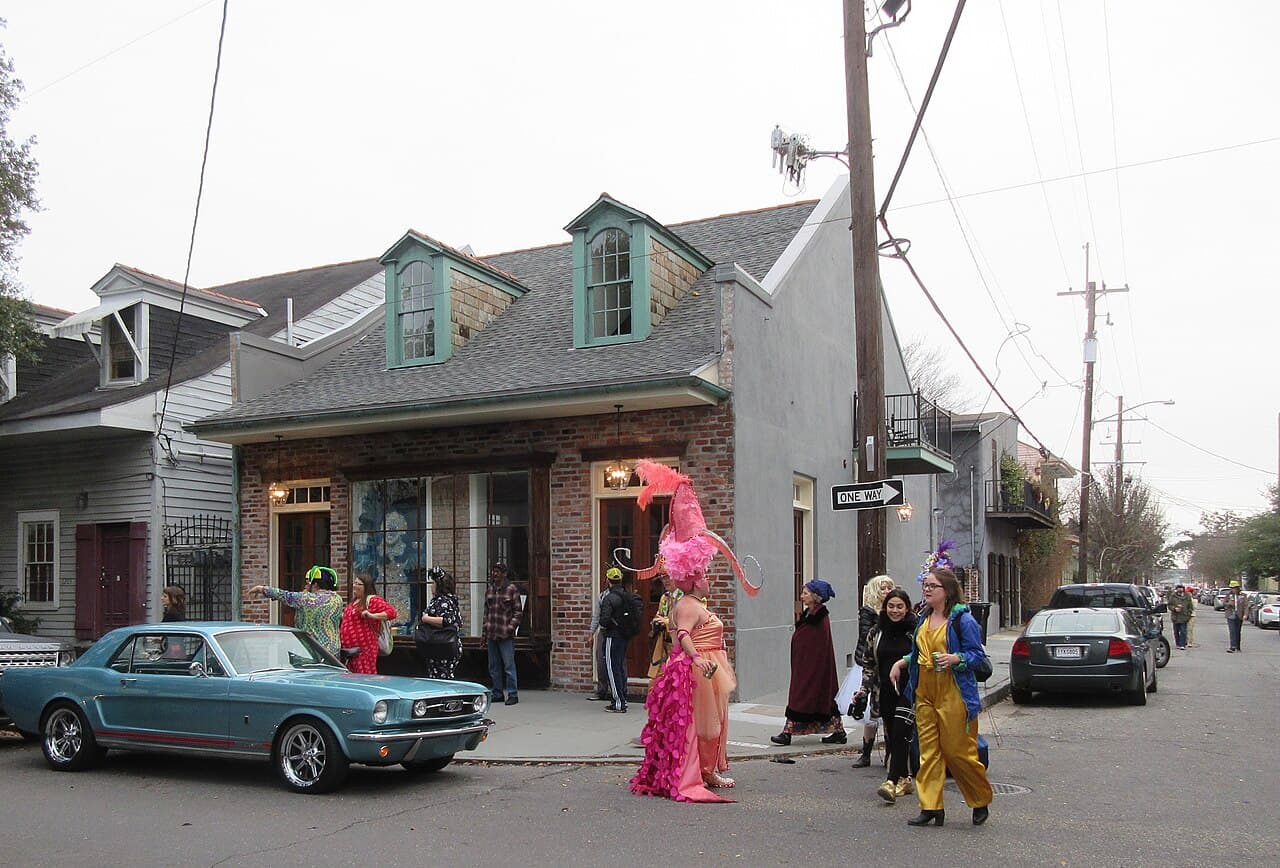
A second line parade in the Tremé neighborhood of New Orleans.
Infrogmation of New Orleans, CC BY-SA 4.0, via Wikimedia Commons.

NEW ORLEANS

Tremé: one of America's oldest Black neighborhoods.

From the early 1800s, free people of color owned homes and businesses in Faubourg Tremé, making it one of the oldest Black neighborhoods in the United States. Congo Square sits at its edge; brass bands, second lines, jazz funerals, and Mardi Gras Indian traditions still move through its streets. New Orleans culture is Tremé culture.

Source: New Orleans Jazz National Historical Park
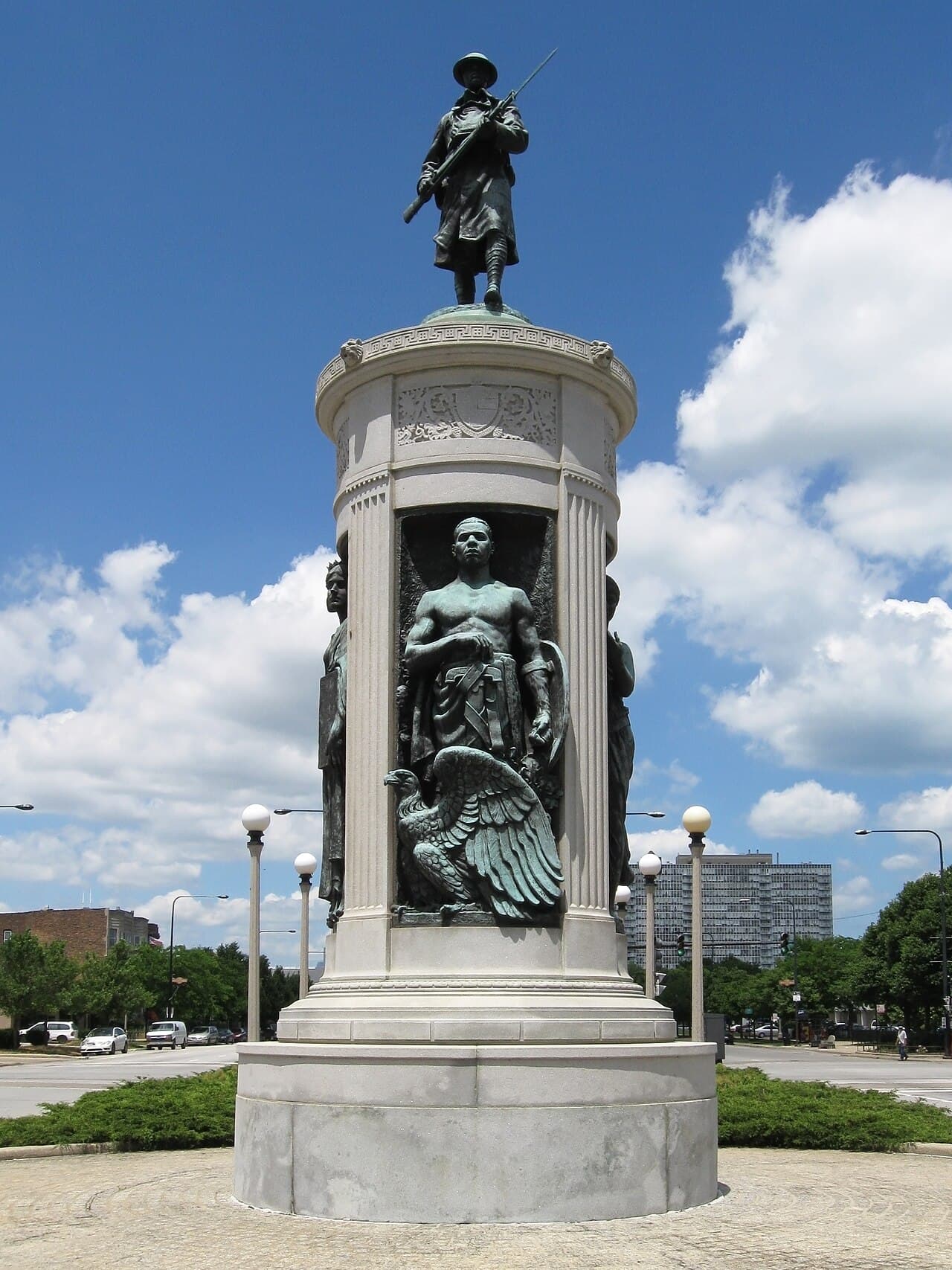
The Victory Monument in Chicago's Bronzeville neighborhood.
Joe Ravi, CC BY-SA 3.0, via Wikimedia Commons.

CHICAGO

Bronzeville: the Black Metropolis.

The Chicago Defender — the Black newspaper smuggled south by Pullman porters — urged Southern families north, and Bronzeville became the Black Metropolis: Ida B. Wells organized here, gospel was born here, and the Victory Monument honors the Black Eighth Regiment of World War I. Chicago's South Side turned migration into music, media, and political power.

Source: Chicago Landmarks — Black Metropolis District
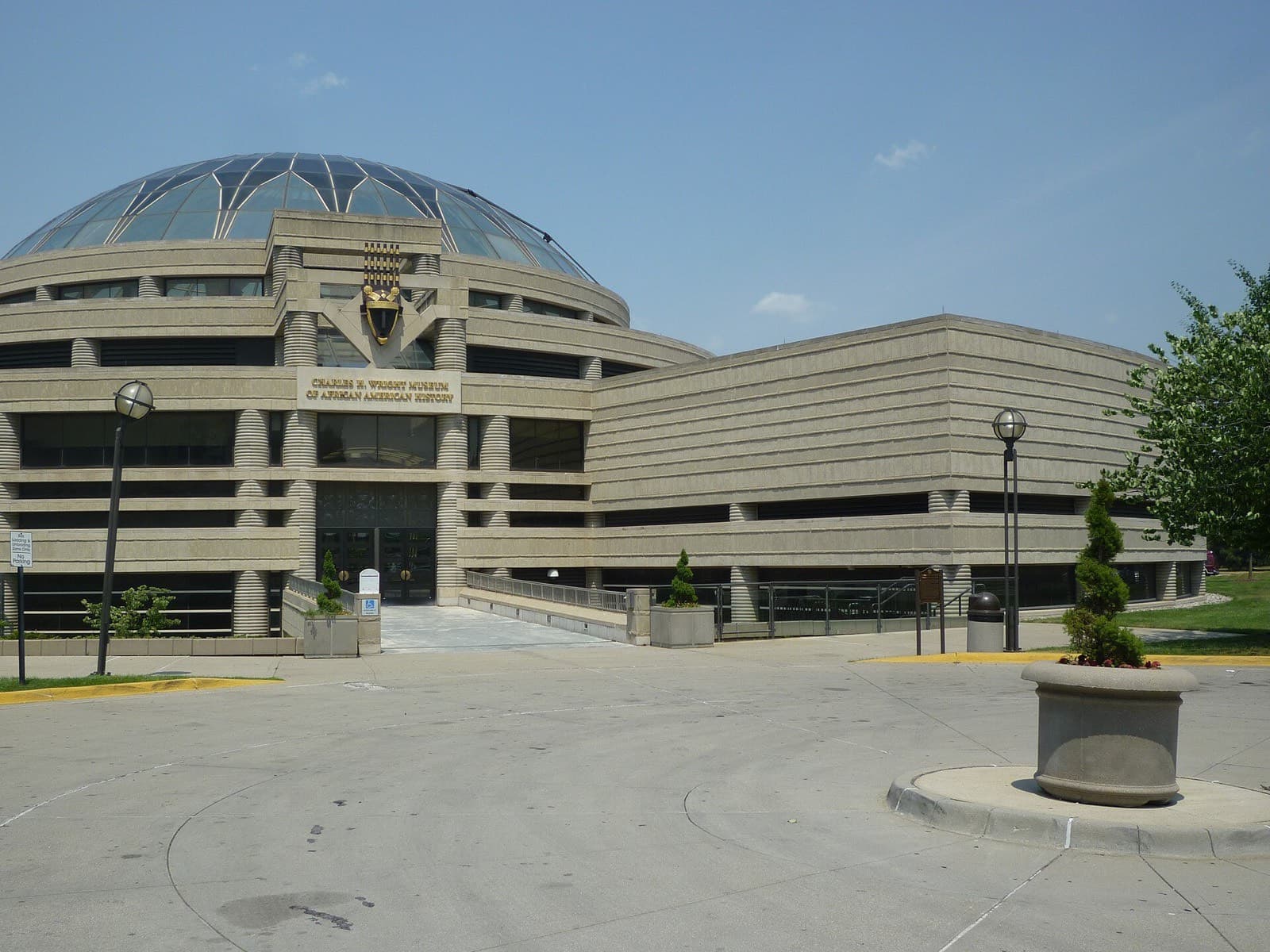
The Charles H. Wright Museum of African American History in Detroit.
Quick fix, CC BY-SA 2.0, via Wikimedia Commons.

DETROIT

Detroit: assembly lines, Paradise Valley, and Motown.

Auto-industry jobs drew hundreds of thousands of Black Southerners to Detroit, whose Black Bottom and Paradise Valley districts filled with Black-owned clubs, hotels, and shops. In 1959 Berry Gordy borrowed $800 from his family and built Motown into the most successful Black-owned record company in history. In 1974 Coleman Young became the city's first Black mayor. Detroit built the soundtrack and the blueprint.

Source: Motown Museum
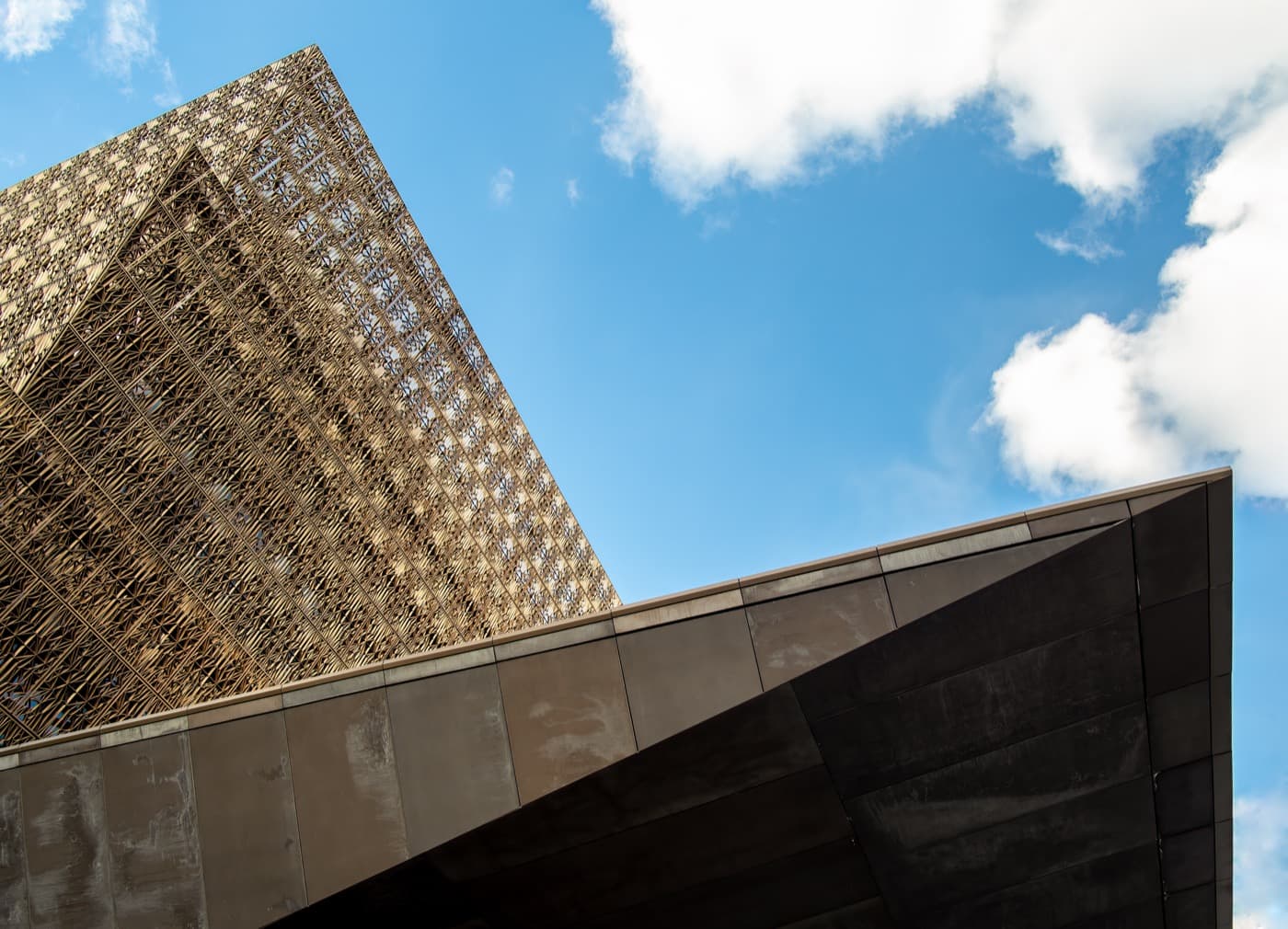
The National Museum of African American History and Culture in Washington, D.C.
Rhododendrites, CC BY-SA 4.0, via Wikimedia Commons.

WASHINGTON, D.C.

Chocolate City: U Street and Howard.

Washington became the first majority-Black major American city in the late 1950s, and its culture ran through U Street — "Black Broadway" — where native son Duke Ellington got his start, and through Howard University, educating Black leaders since 1867. From go-go music to the NMAAHC on the National Mall, D.C. holds the national story and its own.

Source: Howard University

DURHAM

Durham: the Black Wall Street of the South.

Parrish Street in Durham, North Carolina earned the name "Black Wall Street of the South," anchored by North Carolina Mutual Life Insurance — founded in 1898 and for decades one of the largest Black-owned businesses in America — alongside Mechanics & Farmers Bank. Both W.E.B. Du Bois and Booker T. Washington, who agreed on little, both praised what Durham built.

Source: Durham — Black Wall Street history

KEEP THE THREAD

Culture points to commerce.

Every story here connects to businesses working right now. Support the living version of this history — or add a story we are missing.

Next collectionStyle & Trendsetting